alcohol-free liquor
Navigating the EU and UK Alcohol-Free Spirit Markets For immediate help, read these tips for success.
The market for alcohol-free spirits in both the European Union (EU) and the United Kingdom (UK) is experiencing unimaginable growth. Since more people are looking for alternatives to traditional alcohol drinks the demand for alcohol-free spirits has risen. Although this opens up a lot of opportunities for companies, it also has a multitude of challenges that must be addressed to thrive within the competitive marketplace.
In this comprehensive guide, we’ll go over the various challenges faced by companies operating within both the EU or UK alcohol-free spirits market. We’ll examine the regulatory hurdles, competitive environment, changing expectations of consumers, and distribution challenges that could hinder your progress. After reading this post, you’ll acquire essential knowledge about these issues and become in navigating them successfully.
II. I. Hurdles
A. EU Regulations
Overview of EU Regulations on Alcohol-Free Spirits
In the EU The regulations regarding alcohol-free spirits are intricate and stringent. These rules were put in place to ensure the safety and integrity in food and beverages which includes alcohol substitutes. They cover issues like ingredient labeling such as health claims, ingredient labeling, and limit of permissible quantities of certain substances.
Insights on Compliance Issues, Implications for
For companies operating on the EU market, compliance with these rules is not a matter of negotiation. Non-compliance can result in hefty penalties and harm to your brand’s reputation. One of the biggest issues is staying on top of the constantly changing regulatory landscape, that could require regular changes to your product formulations as well as labeling.
B. UK Regulations
Overview of the UK regulations on alcohol-free spirits
The UK has its own rules that govern alcohol-free spirits. Since leaving the EU, it has the option of developing its regulatory framework independently. Companies operating on the UK market must be aware of the regulations and the way they differ from EU guidelines in particular aspects.
Unique Challenges in the Post-Brexit Era
The UK regulatory landscape following the Brexit vote can be particularly challenging due to having to be able to adapt to new rules and standards. Staying informed and maintaining compliance is crucial in order to ensure your product can be offered on the UK market.
As we proceed in this guide, we’ll discuss other crucial issues beyond regulatory hurdles. For the second section we’ll discuss the competitive landscape and how it affects businesses operating in the alcohol-free spirits market.
Transform Your Sales with Direct Orders of Swedish Distillers’ Non-Alcoholic Spirits in Bulk!
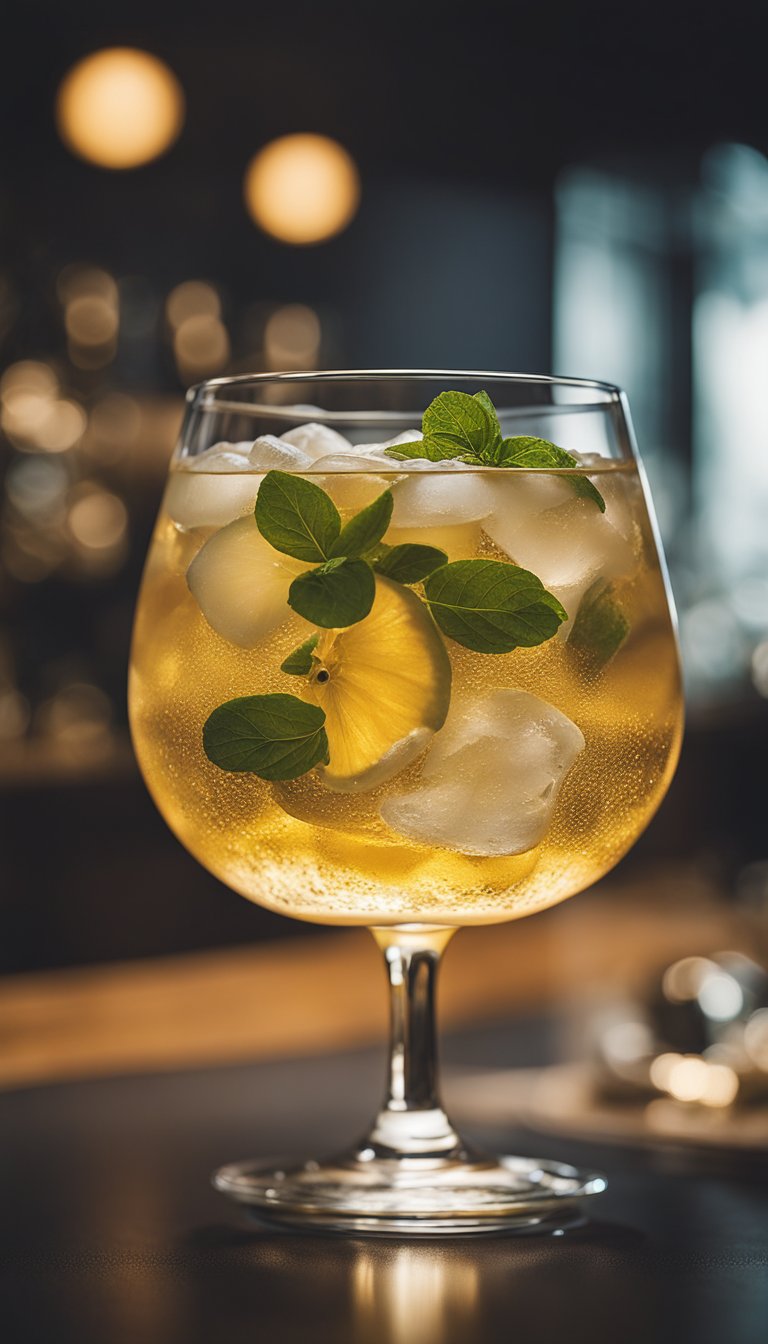
Navigating the EU and UK Alcohol-Free Spirit Market Challenges: Urgent Insights for Success
II. Regulation Hurdles
In the EU and UK alcohol-free spirit market the regulatory hurdles create a big obstacle for companies. Complying and understanding the complex regulations is vital to success.
A. EU Regulations
Review of EU Regulations on Alcohol-Free Spirits
The European Union has established rigorous regulations to ensure the safety and quality of food and beverages, which includes alcohol-free spirits. The regulations cover all aspects of product formulation advertising, labeling, as well as marketing.
Compliance Implications and Challenges
Compliance with EU regulations is essential for firms operating in this industry. Failure to comply with the rules can lead to large fines and reputational harm. It’s vital to stay up-to-date in the current regulatory landscape, which may necessitate frequent adjustments to the formulations of your products and labels.
B. UK Regulations
Overview of UK Regulations on Alcohol-Free Spirits
Following the UK’s exit from the EU in June, the UK has created its own set of rules in relation to alcohol-free spirits. These regulations can differ from EU standards, and companies operating in the UK are required to be familiar with the new regulations.
Unique Issues in the Post-Brexit Era
The UK regulatory system post-Brexit is a set of particular difficulties. Making changes to the rules and regulations is necessary to ensure that goods can remain available on the UK market. Being informed and proactive in complying with the latest regulations is crucial.
III. Competitive Landscape
The alcohol-free spirit market in both the EU and UK is experiencing an explosion in competition. Understanding how this environment works is crucial to businesses hoping for success.
A. Proliferation of Brands
The Growth of Alcohol-Free Spirit Brands
The rising demand for alcohol-free spirits has led to numerous brands gaining entry into the market. This variety of brands provides consumers with a variety of options, it increases competition for businesses.
Standing In a Static Market
For success, businesses need to set themselves apart from competitors. This is not just about offering high-quality products but also developing a compelling brand identity and efficient marketing strategies.
B. Pricing Pressures
Competitive Pricing Strategies
Price competition is fierce in the alcohol-free spirit market. There are many consumers who are price-sensitive and businesses frequently employ pricing strategies to gain an edge.
The Balance Between Quality and Affordability
Finding the right balance between providing affordable products as well as maintaining high-quality is a major challenge. In the case of cutting costs too much, it can impact the integrity of a product.
C. Innovation and Product Differentiation
Importance of Innovation
Innovation is a vital element for success in this market. Businesses that create distinctive and appealing alcohol-free products are competitive.
Navigating Consumer Trends
In a changing world, understanding and responding to fashions and preferences of consumers including the growing demand for exotic tastes or sustainability, is crucial for ensuring that your business is relevant.
As we continue our exploration of what challenges lie ahead for that EU and UK the market for alcohol-free spirits the next section will delve into the shifting environment of consumer expectations and how businesses can adjust to keep up with them.
How to navigate the EU and UK Alcohol-Free Spirit Market Challenges Essential Insights to Success
III. Evolving Consumer Expectations
In the ever-changing landscape within the EU and UK alcohol-free spirit market the expectations of consumers are always changing. In order to satisfy these expectations, it is vital to successful business.
A. Flavor Variety and authenticity
This is The Quest for Unique Flavors
Consumers are today increasingly looking for unique and interesting flavor experiences. They’re looking for alcohol-free spirits that are not just a substitute for traditional alcoholic beverages but also an unforgettable sensory experience.
Business Challenges
In order to meet the growing demand for different and authentic flavours poses a number of challenges for companies. Finding the best ingredients, which are of high quality and natural, and enhancing flavor profiles requires the time and knowledge.
B. Fitness and health trends
Growing Health Consciousness
Health-conscious consumers are gaining popularity and are driving demand for spirits without alcohol that match their health goals. They are looking for products that are low in calories, sugar-free, and made with wholesome ingredients.
Balancing Health and Taste
Achieving a balance between taste and appeal of alcohol-free spirits and features that are healthy can be difficult. Businesses must make investments in the research and development to make products that are able to satisfy both needs.
C. Sustainability and Ethical Practices
Growing Sustainability
Sustainability is a critical concern that consumers face today. They want to patronize companies that are responsible for the environment starting from the origin of ingredients, to packaging.
Building Ethical Brands
Businesses are increasingly under pressure to adopt sustainable and ethical practices. This does not only mean eco-friendly production but also transparency on sources and supply chain ethics.
D. Convenience and Accessibility
On-the go lifestyles
Many people lead hectic lives and are looking for convenient alternatives to having alcohol-free beverages. Items that are simple to carry, store and mix are highly sought-after.
Meeting Accessibility Demands
Companies must think about packaging size, serving sizes, and the functionality of their products, in order to meet customers’ needs for ease of use.
IV. Strategies to meet the changing expectations of consumers Expectations
As expectations of the consumer continue to increase, businesses in both the EU as well as the UK alcohol-free spirit markets must adjust to stay ahead of the curve. Here are some tips to take into account:
A. Innovation and Product Development
Continual Innovation
invest in research and development to come up with unique and varied flavour profiles that can be adapted to evolving preferences.
Health-Conscious Formulations
Create products that are in line with trending in the field of health and wellness including attributes like the absence of sugar and natural ingredients.
B. Sustainability and ethical practices
Environmental Responsibility
Utilize sustainable sourcing, production and packaging practices to make your products more appealing to eco-conscious shoppers.
Transparency, and Ethics
It is important to communicate your commitment and belief in ethical supply chain and sourcing practices to build confidence with consumers.
C. Marketing and Branding
Useful Storytelling
Create captivating brand stories that connect with the consumer’s need for unique tastes healthier choices, and sustainable practices.
Educational Campaigns
Let consumers know about the advantages and uses of alcohol-free spirit and help them make informed choices.
In the next chapter, we’ll consider the role of marketing and distribution strategies in dealing with the difficulties of the EU and UK alcohol-free spirit markets.
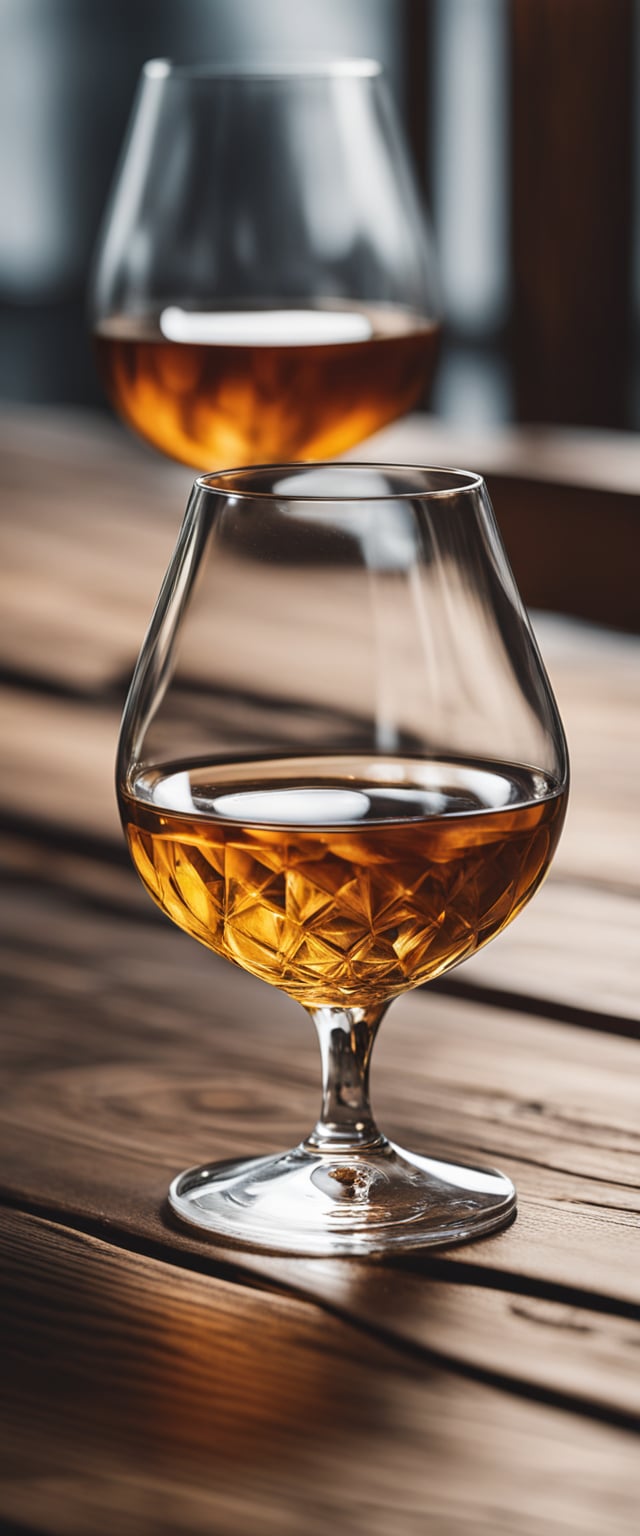
Navigating the EU and UK Alcohol-Free Spirit Market Challenges Essential Insights to Success
IV. Strategies for Keeping Up with Consumer Expectations
While consumer expectations in both and around the EU as well as the UK alcohol-free spirit market continue to grow, businesses must implement effective strategies in order to stay competitive and meet the changing needs. In this article, we’ll delve into some effective strategies to face these challenges effectively.
A. Innovation and Product Development
Continuous innovation: Keeping ahead in Flavor Trends
In the field of alcohol-free spirits, creativity is the name of the game. To meet the ever-changing expectations of consumers for distinct flavors, companies must invest in continuous testing and developing. It is essential to experiment with a many natural ingredients that include botanicals and herbs to develop unique flavors that differentiate themselves from a market.
Professional Tip Collaborate together with mixologists and experts on flavor to create distinctive and engaging flavor experiences.
Balancing Taste and Health to meet Wellness Expectations
The increased attention given by consumers to health and wellness is both an opportunity as well as a challenge. While crafting tasty alcohol-free spirits is a must, it’s vital to stay in line with health-conscious trends. This means providing products that contain fewer calories, free of sugar, as well as made from natural ingredients. The right balance between taste and health is a difficult task but a crucial one.
Pro Tip: Conduct testing and surveys to fine-tune your product’s flavor and nutritional attributes.
B. Sustainability and Ethical Practices
Environmental Responsibility Go Green to Market Appeal
Sustainability is no longer a marginal issue It’s now a common expectation. Customers are increasingly choosing brands that demonstrate environmental responsibility. To fulfill this demand, businesses must adopt sustainable practices throughout the entire process of production. This includes using ingredients that are sourced responsibly cutting down on waste, and using sustainable packaging.
Pro Tip: Highlight sustainability initiatives on packaging for your products and marketing materials to attract eco-conscious customers.
Transparency and Integrity Establishing Trust Through Honesty
In today’s marketplace ethics and transparency are the norm. The consumer wants to know not about the quality of alcohol in their spirits, but also about where those ingredients come from and whether ethical practices are observed. In order to build trust, businesses must announce their commitment to ethical purchasing, fair labor practices and transparent supply chains.
Pro Tip: Share stories and images of your sourcing and production processes on social media, as well as websites to display your dedication toward transparency.
C. Marketing and Branding
Creative Storytelling: Crafting engaging brand Narratives
The success of branding in the alcohol-free spirit market relies on the power of storytelling. Craft a compelling brand narrative which resonates with consumers’ demands for unique flavors green choices and sustainable practices. Your story should be much more than just words. It should convey the essence your company and its values.
PRO TIP: Utilize multimedia content, such as podcasts and videos, to tell your brand’s story in a way that is engaging.
Educational Campaigns: Empowering Consumers Using Knowledge
Many consumers are still relatively new to the concept the alcohol-free drinks. This is why educational campaigns are an essential element in educating customers about the benefits and uses of these spirits. Make sure to provide content that instructs consumers on how to incorporate alcohol-free spirits into mocktails, cocktails as well as various recipes.
Pro Tip: Make a area on your site for recipes, cocktail suggestions, and usage guides to assist users in using your products.
In the following section this article, we’ll review the function of marketing and distribution strategies in navigating the challenges in both the EU as well as the UK alcohol-free spirit markets.
Navigating the EU and UK Alcohol-Free Spirit Market Challenges The key to success: Tips and tricks
V. Conclusion Charting a Course to the Future
In this thorough series on overcoming the challenges of both this EU and UK spirit market that is alcohol-free, we’ve explored various aspects that make up this dynamic sector. From understanding the market landscape and creating innovative product offerings and strategies that are effective, we’ve covered every aspect. As we wrap up this series, let’s review some of the most crucial insights from every chapter and chart how we can move forward.
I. Understanding the Market Landscape
In the opening part of our series, the team delves into what is the fundamentals of the EU and UK alcohol-free spirit market. In this part, we examined the market’s growth developments, trends, and reasons behind the demand for alcohol-free alternatives. We learned that:
- The alcohol-free spirit market is growing rapidly on a track, fueled by health-conscious consumers and a desire for distinctive flavor experiences.
- Knowing the preferences of consumers the market dynamics, their impact on consumers, and the regulations is critical to success in this market.
II. Innovating and creating products that are unique and appealing.
In the final section, we looked at the art as well as process of making alcohol-free spirit that are awe-inspiring to consumers. The most important takeaways were:
- Continuous innovation and an eye for flavor trends are essential for staying ahead in the market.
- It is balancing taste and health aspects is a difficult but essential job that is required to meet the ever-changing needs.
III. Sustainability and Ethical Practices
In the final part of our series, we highlighted our importance on sustainability and ethical practices. Here, we saw that:
- Using sustainable practices, ranging from ingredient procurement to packaging is not only beneficial to the environment but also appealing to eco-conscious buyers.
- Transparency and ethical sourcers build confidence and are embraced by consumers who are committed to responsible business practices.
IV. Strategies to Meet Evolving Consumer Expectations
The fourth chapter focused on ways to meet the ever-changing expectations of the consumer. These key points included:
- Continuous creation, development of products, and alignment with trends in wellness is essential to achieve success.
- Sustainable practices and ethical source are critical for long-term market appeal.
- Stories that are engaging and informative can empower consumers and enhance the loyalty of brands.
V. Conclusion Aiming to Chart a Course For the Future
As we conclude this part of our series, we’ve been reflecting on the wealth of knowledge provided throughout our exploration into the EU as well as the UK liquor-free market. It’s evident that this market is full of possibilities for growth and success. Companies that can handle the difficulties, be innovative, and reflect the values of the consumer will be in good shape for the future.
As we come to the end of this series, keep in your mind that the alcohol-free spirit market will continue its evolution. There will be new trends to emerge and expectations of consumers will change and regulations might change. Being flexible, informed and responsive will be key to staying competitive in this dynamic business.
In conclusion that, whether you’re wanting to venture into this market or a seasoned player trying to expand your business the advice provided in this article serve as a useful compass. By understanding the market, crafting unique products, embracing the environment, and being attentive to consumer expectations and preferences, you’ll be able to navigate to the EU as well as the UK alcohol-free spirit market with confidence.
Thank you for coming along on this journey into this world full of spirits that are alcohol-free. We wish you success and prosperity as you face the exciting challenges and opportunities in the future.
Seizing the Opportunity: Uncovering Urgent Opportunities in the EU and UK Alcohol-Free Spirit Market
The spirits industry is undergoing massive changes. In the past, you could only drink alcohol as an option available to those who wanted to experience the complex flavours and aromas of carefully constructed drinks. In today’s mindful and health-conscious society, the demand of alcohol-free alternatives is exploding. This dramatic shift has created an plenty of opportunities for market opportunities in the European Union (EU) and United Kingdom (UK) alcohol-free spirits market.
The boom in alcohol-free Spirits
The rise of Non-Alcoholic Alternatives
The increased interest in alcohol-free spirits could be due to a increasing awareness of adverse impact of alcohol consumption on the health and well-being of people. More and more people are taking a mindful approach to their drinking habits, and putting quality over quantity. As a result, the spirit market that is alcohol-free has seen significant growth.
In recent years, people are showing a keen preference for alternative drinks that allow them to enjoy the complex tastes and sensory experiences typically that are associated with spirits without the euphoric effect of alcohol. The juniper-like notes of gin or subtle whiskey undertones, these alcohol-free choices are designed to mimic the flavor and aroma similar to alcohol.
The statistics reflect this change. The market for alcohol-free spirits has shot up, and several brands have come up to meet the demand. In addition, distilleries that have been around for a while have also joined in using their expertise in the production of premium spirit that is alcohol-free and caters to the most discerning tastes.
Lifestyle Shifts and Health Lifestyle Shift
The rise of alcohol-free liquor is in part influenced by the desire to enjoy tasty alternatives, health-conscious living is now the main driver. A majority of consumers are opting for non-alcoholic options to keep an active lifestyle, lessen hangovers and cut down on their alcohol consumption overall.
The trend towards healthier living extends to the broader wellness movement in which consumers place a high value on mindfulness and self-care. In this sense, opting for spirit that is alcohol-free lets individuals take pleasure in the art of mixing drinks and cocktails without compromising their well-being.
As the market continues to evolve it is a great time to start businesses who are able tap into this health-conscious consumers. The need to capitalize on these opportunities has never been more evident.
understanding the EU and UK Market
Market Overview
Before we dive into the specific opportunities available in this EU and UK alcohol-free spirits market, it’s necessary to be aware of the current situation. Both regions have seen a dramatic rise in the consumption of spirits that are alcohol-free.
In the EU the EU, countries such as Germany, France, and Spain have become major market players for alternatives to alcohol. These nations, known for their gastronomic traditions and their love of fine drinks have adopted alcohol-free spirits with aplomb. Companies have responded to this by providing various alcohol-free choices to satisfy the needs of these markets.
The UK with its lively spirit of cocktails and its booming consumer keenness to be healthy is another hotspot of alcohol-free spirits. London specifically has seen a surge in establishments and bars with alcohol-free policies with a rise in demand for elegant alcohol-free drinks.
Regulation Landscape
Navigating between the EU and UK market for alcohol-free spirits requires a nuanced understanding of the regulatory system. Regulations regarding the production of and labeling of alcohol-free spirits are different between countries and regions.
In the EU The production of spirits that are not alcoholic is usually subject to the same regulations as alcohol beverages. This requires adherence to high quality specifications and requirements for labeling. Businesses must be in compliance with EU regulations to be able to enter this market.
In the UK the regulatory framework is heavily influenced by EU regulations and domestic legislation. The need for clear and accurate labels is crucial in educating consumers about the content of alcohol found in products.
Understanding these regulations is essential for businesses looking to thrive to succeed in both the EU and UK alcohol-free spirit markets. Compliance not only ensures legality but also builds trust with consumers.
In our exploration of the growth and dynamic of the market for alcohol-free spirits and set the stage with an knowledge about market dynamics in EU as well as the UK market. Now it’s time to study the potential which lie ahead in these regions. In the next part we’ll explore the new consumer segments that are driving sales and product innovations that are shaping the market marketplace.
Be on the lookout for opportunities to profit from the time and maximise your potential to profit from this exciting market.
Unmatched Quality, Direct Orders: Elevate Your Business with Swedish Distillers’ Non-Alcoholic Spirits!
niche Markets and emerging trends throughout the EU and UK Alcohol-Free Spirit Industry
In our look at this EU and UK alcohol-free spirit markets, we’ve already unveiled the overarching expansion of this sector which is driven by health-conscious consumers as well as mindful drinking. Now is the time to delve deeper into this dynamic market and understand the niche segments and emerging developments that are transforming the landscape.
The Craft Alcohol-Free Spirit Movement
Artisanal Excellence Sans Alcohol
Another of the most intriguing developments in the market for alcohol-free spirits is the growth of producers who are dedicated to creating exceptional alcohol-free alternatives. These craftsmen bring the same level of dedication and craft for alcohol-free spirits as traditional distillers are to their alcohol counterparts.
Craft spirit that is alcohol free are distinguished by their intricate and sophisticated flavors. They usually contain botanicals, spices and herbs, carefully distilled to perfection. They are not merely substitutes but rather unique creations in their own right and are a delight for those seeking a refined and tasting experience that is not alcoholic.
Craft Distilleries as well as Experimental Offerings
Craft distilleries in these regions of the EU as well as the UK are at the forefront of the trend, exploring novel ingredients and new distillation techniques. It doesn’t matter if it’s a gin substitute infused with exotic botanicals or an alcoholic drink inspired by whiskey with the smoky flavor, these beverages have pushed the boundaries of alcohol-free spirits.
Consumers are increasingly drawn to handmade products since they exemplify authenticity honesty, transparency, as well as a an intense desire for quality. By supporting these artisanal producers people feel connected to the process and are eager to try specific flavor profiles which commercial brands might not offer.
Targeting Niche Consumer Segments
The Rise of Zero-Proof Cocktails
As the popularity of alcohol-free spirits rises in popularity, so too does the interest in zero-proof cocktails or “mocktails.” This trend is most prominent at restaurants, bars and mixologists at home. Making inventive, alcohol-free cocktails is now a form of art, with the market for premium spirits that are alcohol-free for these drinks is rising.
Zero-proof cocktails aren’t only suitable for non-drinkers and designated drivers They are a great choice for anyone who wants a refreshing and sophisticated drink without the harmful effect of alcohol. It is the case in EU and UK the rising popularity of low-proof beverages has led collaborations between bartenders with alcohol-free spirit companies to develop new recipes and elevate the overall drinking experience.
Affirming the Health-conscious Generation
The segment of the consumer who is health conscious has been a key factor in the rise of alcohol-free spirit. They are a group that values wellness and mindfulness, seeking products that reflect their ideals and lifestyles.
Brands that promote the health benefits associated with spirit that is alcohol free, such as low calorie content and absence of any alcohol-related health risks will surely attract the attention of these consumers. Additionally having partnerships with health and wellness experts and experts can boost brand credibility.
A Focus on Environmental Sustainability and the Environment
Environmentally Sustainable Production as well as Packaging
Environmental awareness is an important factor influencing consumer choices in these countries, including the EU as well as in the UK. Brands in the alcohol-free spirit industry are responding by adopting sustainable methods of making and packaging.
Craft distilleries, and in particular ones that are focused on sustainability. They are sourcing locally whenever possible as well as reduce their water consumption and use environmentally-friendly distillation techniques. Packaging innovations, including recyclable and biodegradable materials, are also gaining momentum.
Stay ahead Of the Curve
As we travel to this EU and UK alcohol-free spirit markets, it is evident that niche markets and emerging trends are driving the transformation of this sector. Craft distillers are changing the definition of non-alcoholic spirits, to the emergence of zero-proof drinks and a strong focus on sustainability, there are plenty of opportunities when you are able to think outside the box and meet the evolving demands of the market.
In the next segment in the next section, we’ll consider the importance of branding and marketing strategies that connect with the target people, as well as discuss the most important challenges as well as solutions in this expanding market.
Keep an eye on us as we reveal the best way to position your alcohol-free spirit brand to be successful within Europe and the UK. EU in addition to the UK.

Branding and Marketing Strategies to EU and UK Spirits alcoholic-free
In our investigation of what’s happening in EU and UK alcohol-free spirit market we’ve identified the increasing demand for these innovative beverages, the rise and popularity of craft alcohol-free spirits, and the niche consumer segments driving this sector’s growth. Now, it’s time for us to delve into the critical realm of marketing and branding strategies that can set your alcohol-free brand apart from the crowd.
Making a Brand Strong Identity
Craftsmanship and Authenticity
In the realm of alcohol-free spirits, creating an attractive brand identity is essential. Customers are attracted to brands that show craftsmanship sincerity, authenticity, and true commitment to excellence. To make your brand an authority in your market take a look at the following strategies:
- Share Your Story: Share the history behind your brand, emphasizing the passion and commitment that go into the creation of your alcohol-free spirits.
- Transparency Be transparent about your production processes, ingredients, and sources. Transparency builds trust among consumers.
- Visual Identity You can invest in an appealing and visually appealing logo as well as packaging designs that reflect the uniqueness of your brand’s values.
Appealing to Emotions
Alcohol-free spirits tend to be associated to positive emotions, such as the feeling of well-being, celebration and mindfulness. Utilise these feelings to connect with your audience on higher levels:
- emotional storytelling Tell stories and marketing campaigns that connect with the emotional aspects of drinking spirits that are alcohol-free. Make sure to highlight moments of joy, relaxation, and social connection.
- Inclusionary Messaging The message should emphasize that alcohol-free spirit is for everyone no matter if they prefer not to drink, are designated drivers, or just want to find alternatives that are healthier.
The most effective marketing strategies
Digital Presence and Content Marketing
In today’s digital age, a strong online presence is vital. Your brand must be visible and is engaging across various digital platforms:
- Website Optimization Make sure you have an attractive website that showcases your products, provides detailed details, and features a blog section to promote content marketing.
- Social Media Engagement: Have active social network profiles to connect with your users and share relevant content and create targeted advertising campaigns.
- educational content: Create content to inform consumers about the benefits, flavors and versatility of alcohol-free spirits. This could include blog post as well as infographics, videos, and blog posts.
Partnerships and Collaborations
Collaborating with like-minded brands and influencers will increase your reach and credibility:
- Collaborations with Bartenders Join forces with bartenders in the creation of zero-proof cocktail recipes that make use of alcohol-free spirits. These collaborations can spark excitement which can attract mixologists and other cocktail enthusiasts.
- Influencer Partnerships Look for influencers who are in the wellness or lifestyle space that align with your brand’s values. Join forces with them in the creation of authentic content and connect with a wider audience.
Navigation Challenges and Looking Ahead
The market for alcohol-free spirits has a lot of potential However, it does come with plenty of problems. There are still some consumers who have doubts about the taste and high-quality of the alcohol-free options. Beating these obstacles requires perseverance, patience and constant improvement.
In our next segment in the next section, we’ll take a look at main challenges that face the industry and offer strategies to tackle them. In addition, we’ll look at our future plans for EU and UK spirits that are alcohol-free and predict what trends will impact the development of it.
Stay tuned as we equip your with the knowledge and strategies necessary to excel in this dynamic and exciting market.
The Challenges as well as Strategies for the EU and UK Alcohol-Free Spirit Market
In our journey through the world of alcohol-free spirits in both the EU and UK we’ve reflected on the surging popularity of these new drinks and discovered how to create branding and marketing strategies. It’s now time for us to tackle the issues that brands face in this competitive market, and suggest strategies to deal with them.
New Challenges in the Alcohol-Free Spirit Industry
Consumer Myths about HTML0
One of the primary challenges is that people have misconceptions about the taste and quality of alcohol-free spirits. Many consumers associate these beverages with blandness or a lack of flavor. To overcome this, think about the following strategies:
- Taste Education Inform consumers about the variety of flavors and the complexities of alcohol-free spirits. Create tasting events or virtual tastings to showcase the quality and complexity of your products.
- The Sampling Programme You can offer samples of bottles or packs, which allow people to sample your alcohol-free spirits before they commit to purchasing a full bottle.
Regulatory Compliance
Navigating the complex regulatory environment surrounding alcohol-free spirits can be quite a challenge. Regulations regarding labeling and production are different for each country. You can ensure compliance by:
- consulting legal experts to seek legal counsel or regulatory experts who specialize in alcohol and beverage laws to ensure that your business’s image is in line with all the regulations that are required.
- thorough labeling: Create clear and compliant labels that accurately represent your product’s alcohol content and ingredients.
Diversity and Competition
With the growth of the alcohol-free spirit market, competition is intensifying. To distinguish yourself:
- Product Innovation Create new products by inventing new flavors, packaging, or original manufacturing methods.
- Differentiation Highlight what sets your brand apart. This could be sustainable initiatives, unique ingredients or a compelling tale of your brand.
Strategies to Overcome the Obstacles
Consumer Education
A consumer who is educated is more inclined to consume alcohol-free drinks. Take a look at these strategies for education:
- Online Resources Create online resources that provide information on the manufacturing process, the ingredients and the potential health benefits of your products.
- Customer Service Deliver excellent customer support for inquiries and concerns quickly.
Sustainability Initiatives
The consumer is increasingly concerned about sustainability. Take advantage of green practices:
- Eco-Packaging Use sustainable packaging materials, and clearly explain your commitment to a sustainable future.
- Local Sourcing: Source ingredients locally where possible, and reduce your carbon footprint.
Collaborations, Partnerships, and Partnerships
Collaborations can improve the reach and credibility of your brand. Consider:
- Retail Partnerships Create partnerships with retailers to display your items prominently in the store or online.
- Industry Associations: Join alliances and industry associations to stay updated and connect with other brands that are alcohol-free.
This is the future of market for alcohol-free spirits
In order to address these challenges as we implement strategies to deal with them, it’s vital to consider the future. In the following section we’ll look at possibilities for future growth of both the EU and UK spirits market that are alcohol-free with a focus on emerging trends as well as opportunities that brands must be aware of.
Keep watching as we chart the exciting and thrilling path in the future for this ever rapidly changing field.

Its Future EU and the UK Alcohol-Free Spirit Market: Trends and Opportunities
When we are done with our study and analysis of EU and UK alcohol-free spirit market, we turn our attention to the future. There are exciting trends and promising opportunities await brands in this booming industry.
New Trends in the Alcohol-Free Spirit Market
1. Diverse Flavor Profiles
In the years ahead it is likely that we will see more diverse flavour profiles to enter the market. Consumers’ tastes are becoming more adventurous, and brands are responding with innovative botanical blends as well as exotic fruit infusions fragrant herbs.
2. Premiumization
Like the way premiumization has affected the market for alcoholic beverages and we expect a similar shift in the industry of alcohol-free. Brands will focus on top-quality ingredients and manufacturing techniques providing consumers with an exceptional experience.
3. Sustainability as an International Standard
Sustainability will no longer be a unique selling point and will be a norm. Companies that focus on eco-friendly practices whether it’s sourcing ingredients responsibly to using recyclable packaging, will be able to gain an edge over competitors.
4. Mocktail Culture
The rise of alcohol-free mocktails and cocktails is set to continue. These sophisticated and alcohol-free alternatives are taking off in restaurants and bars, providing a significant opportunity for alcohol-free spirit brands to work with establishments.
Chances on Horizons Horizon
1. International Expansion
With the EU and UK markets growing and growth, brands must consider expanding their presence internationally. Markets in Asia and the Middle East, and North America hold great promise for alcohol-free spirits.
2. Health and Wellness Partnerships
Collaborations with wellness and health brands, influencers, and other events can help alcohol-free spirit brands reach healthy consumers seeking alternatives to alcoholic beverages.
3. E-Commerce Dominance
The development of e-commerce is providing the perfect opportunity for direct-to-consumer sales. Brands must invest in user-friendly website design, online marketing, and ecommerce strategies in order to profit from this growing market.
The Conclusion as well as Recap
In this five-part series, we’ve explored the EU as well as the UK liquor-free market, discovering the rise of popularity advertising and marketing strategies, challenges, and strategies to get over them. We’ve also delved into emerging trends and opportunities awaiting companies in this ever-changing industry.
The lure of alcohol-free spirits in Europe is undisputed. As consumers seek healthier, responsibly sourced drinks The market continues to thrive. Brands that focus on innovation, quality and sustainability as well as global expansion are the best to prosper in the years to come.
Thank you for joining with us on this exciting adventure through the world alcohol-free spirits. We hope this article provided you with valuable knowledge and inspiration to navigate the ever-changing and fascinating market.
Unveiling the Best Comparison of Alcohol-Free Spirits within the UK
This is the home of spirit that doesn’t contain alcohol, where the boundaries of traditional the art of mixing have begun to be challenged, and sober sophistication is on upward trend. In this series of articles we begin a journey to explore the myriad of alcohol free spirits available throughout the UK. You may be a teetotaler or an official driver, or simply seeking to cut back on alcohol consumption, you’ll find this guide to be a great resource for your next party soirA(c)e.
I. Introduction
The rising popularity of alcohol-free Spirits
Recent years have seen the demand for alcohol-free drinks has increased thanks to a rising more health-conscious market with a desire for better social interactions, and the ever-growing creativity of mixologists. It is no longer the case that those who stay away from alcohol being confined to dull soft drinks; they can now enjoy the intricate flavors and sophisticated appearance that alcohol-free options offer.
The art of Picking
The right spirit that is alcohol-free is like arranging some kind of work for your drink. The choice you make can improve the quality of your social gathering so that everyone can take part in the celebration without alcohol. But with so many options, where does one begin? This is how our guide helps.
II. Types of alcohol-free spirits
To fully appreciate the wide range of spirits without alcohol, it’s crucial to recognize the various choices available. In this article, we will dive into three fundamental categories: alcohol-free gins, whiskeys, and Rums.
A. Gins that are alcohol-free Gins
What’s in a name?Alcohol-free gin, often called “spirit alternative” or “non-alcoholic botanical drink,” reproduces the spirit of gin, but without alcohol content. It incorporates a wide range of ingredients, such as juniper coriander and citrus peel in order to impart that traditional gin flavor.
Leading the packSeveral alcohol-free Gin brands have been making waves at the UK market. These includes “Seedlip,” “Stryyk,” and “Gordon’s 0.0%,” each with its unique blend of botanicals.
Taste and ServeAlcohol-free Gins are crisp and herbaceous flavours of alcohol-based counterparts. They’re perfect for classic cocktails such as G&Ts or as the base to inventing alcohol-free, creative cocktails.
B. Alcohol-Free Whiskeys
Zero Proof WhiskeyCrafted to imitate the rich, complex flavour that traditional whiskies have, these alcohol-free whiskeys are made to recreate the essence of whiskeys that have been aged in oak without alcohol.
Exploring the optionsIn the UK there are brands like “Lyre’s,” “Ritual Zero Proof,” and “Ceder’s” have been at the front of this revolution in the world of whiskey.
Savoring the SipAlcohol-free whiskeys can provide the smoky, caramel, and vanilla flavors that are typical of traditional whiskeys. They’re wonderful to drink straight or on the rocks or used as a base for classic cocktails such as that of the Old Fashioned.
C. Rums that are alcohol-free
Caribbean Flavors, Zero AlcoholAlcohol-free rums are an expression of Caribbean spirit. They offer exotic and sugarcane-based notes, but with no alcohol content.
Most recognizable brandsIn the UK, “Rhum St Barth” and “Sea Arch” are two of the brands producing exceptional alcohol-free rums.
Mixing up the MagicAlcohol-free spirits brings the sweetness and warmth of the Caribbean to your glass. They’re perfect for crafting mojitos, piA+-a-coladas, and other rum-based drinks.
Just as we’ve begun our journey into the realm of alcohol-free spirits the next section will go deeper into the process of tasting and analyzing these alternative spirits. We’ll be in Section III where professional reviews and tasting notes are available to help you make an informed decision for your next occasion. Enjoy a new world of flavors, without the hangover!

II. Tasting the Best: Exploring Alcohol-Free Gins Whiskeys in addition to Rums
In the first piece of our journey through the world of alcohol-free spirits, we discussed the growing trend of spirit alternatives in the UK. In part two we’ll take a close look at some of the best participants: alcohol-free spirits like gins, whiskeys, and rums. We’ll dive right into scent, taste, and versatility of these alcohol-free delights.
A. Alcohol-Free Gins: A Symphony of Botanicals
Alcohol-free Gins have been at the forefront of the spirit alternatives revolution, and with the right reason. They are a symbiosis of flavors reminiscent of classic gins without any alcohol.
1. The Botanical Medley
Gins that are alcohol-free contain botanicals like coriander, juniper, citrus peel, and a host of other aromatic herbs. These plants give the distinctive scents and flavors that gin enthusiasts adore.
2. Notes on Tasting
- Crisp and refreshing: Much like their alcohol-free counterparts, alcohol-free gins are crisp and refreshing appearance.
- Botanical Complexity: Expect a symphony of notes from the botanical world, from the piney juniper’s punch to citrus’s zingy brightness.
- Mixable and Versatile These gins are extremely versatile, and therefore ideal for making classic cocktails such as the Gin and Tonic, Martini, or Negroni.
3. Brands that are not readily available
- Seedlip: Known as the pioneer of the alcohol-free Gin movement, Seedlip offers a range of alcohol-free spirits. Each has its unique blend of botanicals.
- Stryyk: Stryyk is a renowned brand, as are products such as “Not Gin,” that captures the essence of gin with no alcohol.
B. Alcohol-Free Whiskeys: Capturing Whiskey’s essence
Whisky enthusiasts will rejoice since these whiskeys without alcohol have been made to reproduce the depth and complexity of traditional whiskey without the alcohol content.
1. The Art of Whiskey Emulation
Alcohol-free whiskeys are carefully made to imitate the rich and robust taste and flavors of the traditional spirit. This is what you can expect:
2. Tasting Notes
- Oak, smoke, as well as Spice Whiskeys without alcohol offer the smokey, woody, and sometimes spicy flavors which are typically present in whiskey.
- Zero Proof, Full Flavor: Enjoy the full bodied flavor profile of HTML0 without the alcohol content.
- is perfect for Cocktails Alcohol-free whiskeys can be used to make classic cocktails like The Old Fashioned or the Whiskey Sour with no hangover.
3. Notable Brands
- Lyre’s: Lyre’s offers many alcohol-free spirits, such as whiskeys like American Malt, American Oak and many more.
- Ritual Zero Proof: Ritual’s alcohol-free whiskeys are known as a complex whiskey, making it a popular choice for those looking for a true whiskey experience without alcohol.
C. Alcohol-Free Rums: The Tropical Escape
If you’re in the market for the sweetness and warmth of Caribbean rums with no alcohol content, alcohol-free rums are the solution.
1. Islands Flavors without the proof
Rums that are alcohol-free capture the essence of the Caribbean, with notes of sugarcane, tropical and tropical dominating the scene.
2. Tasting Notes
- Tropical Paradise: The sweetness from sugarcane and hints tropical fruits.
- Excellent for Cocktails: Alcohol-free rums are great for creating your favorite rum-based cocktails, such as mojitos or piA+.
3. Notable Brands
- Rhum St Barth: This brand offers a wide range of liquor-free rums. Each one is a celebration of the Caribbean spirit.
- Sea Arch: Sea Arch’s alcohol-free Coastal Juniper captures the essence of the coast and is an ideal ingredient for drinks that are alcohol-free.
While we enjoy the many flavours and experiences that alcohol free spirits provide, the journey continues into the world of professional analysis and taste notes, which is located in Section III. Stay tuned for us as give you information to help pick the right one for your next celebration. We wish you a wonderful time exploring the world of spirit-free drinks!
Bypass the Middleman: Get Your Alcohol-Free Spirits Directly from the Source – Swedish Distillers!
III. Expert Insights: Reviews and Tasting Notes
This is the second installment of our exploration of alcohol-free spirits in the UK. In the first two parts, we delved into the trend of spirit alternatives and explored the fascinating world of alcohol-free spirits like gins, whiskeys, and Rums. Now, in the final part of the series, the readers are invited to drink with us as we share experts’ insights, reviews, and tasting notes to assist you in your alcohol-free spirit adventure.
A. Exploring the World of Alcohol-Free Spirit Reviews
If you are looking to pick the ideal alcohol-free spirit you must make a sound decision. The reviews of experts offer invaluable insight on the flavor, aromas, and overall quality of these spirits.
1. The Tasting Panel
- Leading experts in the field of spirits and connoisseurs regularly examine alcohol-free options, giving ratings and detailed tasting notes.
- Expert reviewers assess how flavors balance out, aroma complexity and overall pleasure.
2. Where to Find Reviews
- Online spirit magazines Websites such as “The Spirits Business” and “The Gin Guide” contain in-depth reviews on spirits that are alcohol-free.
- YouTube YouTube: A lot of spirits enthusiasts and experts share their experiences and reviews on YouTube channels devoted to alcohol-free spirits.
- Social Media: Follow alcohol-free spirit brands as well as expert experts across social media for real-time reviews and tips.
B. Tasting Notes: An Exploration of Flavor Profiles
Learning about the tasting notes for alcohol-free spirits can help pick the perfect one for your tastes. Here, we examine some popular flavor profiles in whiskeys, gins and gins that are alcohol-free and Rums.
Non-alcoholic Gins
1. Juniper-Forward Delights
- “Classic Gin Gins with no alcohol typically have the most distinctive juniper-forward flavour that imparts a piney and slightly resinous note.
- Citrus Zest: Citrus peels bring brightness and freshness. It’s similar an orange zest lemon, lime, or orange.
- Herbal Complexity: You can expect herbal nuances including cardamom, coriander and various botanicals, such as angelica roots and orris.
Alcohol Free Whiskeys
2. Whiskey’s distinctive complexity
- Oak or Smoke Whiskeys made without alcohol emulate the woody and smoky notes frequently found in traditional whiskeys.
- Caramel and Vanilla Certain whiskeys with no alcohol offer sweet caramel and vanilla undertones.
- Spice and Heat: Whiskey lovers will love the combination of spice like cinnamon as well as just a hint of heat.
Rums that are alcohol-free
3. Tropical Paradise
- Sugarcane sweetness: Alcohol-free rums showcase the sweet taste of sugarcane, that is reminiscent of tropical regions.
- Tropical Fruits: There may be hints tropical fruits like pineapple, mango, and coconut.
- Warmer Finish: A well-crafted alcohol-free rum often will have a warm end.
C. Recommendations to Every Occasion
Now that you have the knowledge of experts’ reviews and notes on tasting, you’re now able to select the ideal spirit, alcohol-free, for any occasion:
- Drinking casually If you’re looking to have a relaxing time at the home bar, opt for a gin containing no alcohol. the classic juniper aroma and citrus.
- Cocktail Making If you are mixing your favourite cocktails, select an alcohol-free whiskey which replicates the richness of traditional whiskey.
- Poolside Vibes: Enjoy a taste in the Caribbean with a rum that is alcohol-free that takes one to a tropical paradise.
D. What’s Next?
As we digest the seasoned tips and tasting notes, our journey into the world of alcohol-free spirits continues in Section IV. In this section, we’ll investigate the rising popularity of this type of spirit in UK and their effects on the drinks industry. We’ll help you discover the latest trends and developments in spirits that are alcohol-free!
IV. The rise of alcohol-free spirits in the UK: Trends and New Ideas
Through our explorations of an alcohol-free world from the UK we’ve examined the new trend, tasted some of the finest drinks, and uncovered expert insights. The fourth installment in our series, we dig into the ever-changing landscape of spirits that are alcohol-free. From novel distillation techniques, to new trends in market research, join us as we unveil the exciting developments in the fast-growing market.
A. The Shifting Paradigm. A Brief Recap
Before diving into the newest trending and innovative ideas, let’s review the fundamentals of the alcohol-free spirit movement:
1. Changing Consumer Preferences
- The majority of consumers are looking for healthier, more conscious beverages.
- The demand for alcohol-free alternatives has risen in recent years, driven by health-conscious consumers or designated drivers as well as those who are recovering.
2. Quality and Craftsmanship
- Alcohol-free spirits have evolved from mere substitutes to premium, artisanal products.
- Meticulous distillation methods and botanical selections have elevated the quality and flavor profiles.
3. A vibrant market
- The market of alcohol-free spirits has seen remarkable growth. There is now a variety of brands and options for consumers.
- Traditional distilleries as well new companies have joined in the trend, contributing to diversity in the range of products.
B. Cutting-Edge Innovations: Distilling the Future
The alcohol-free spirit industry is characterized by constant innovation designed to recreate the quality and depth of the traditional spirits. Here are some exciting developments:
1. Distillation Techniques
- Vacuum Distillation This method uses lower temperatures for keeping the delicate flavors and aromas.
- Non-Alcoholic Fermentation Innovative fermentation methods result in alcohol-free base materials with remarkable depth.
2. Botanical Exploration
- Alcohol-free spirit producers are exploring a wide array of herbal extracts, from rare spices to exotic spices, to create unique flavor profiles.
3. Barrel Aging
- Certain Spirits with no alcohol can be aged using barrels, exactly like traditional spirits providing oakiness and richness.
4. Chemical Mixology
- Expert mixologists are experimenting with molecular methods to produce avant-garde non-alcohol cocktails.
C. Trends shaping the Future
As the alcohol-free spirits landscape continues to evolve, various prominent trends are shaping its future:
1. Innovative Mixology for Home
- Consumers are embracing mixology at home, experimenting with alcohol-free spirits for creating sophisticated cocktails.
2. Mindful Drinking Culture
- Mindful drinking, defined by conscious and controlled drinking It is now becoming commonplace.
- Alcohol-free spirit plays a crucial part in this shift in culture.
3. Beverage Pairing
- Alcohol-free spirits are increasingly paired with gourmet dishes, enhancing your dining experiences.
4. Sustainability
- The brands are placing a premium on sustainability, using ingredients that are ethically sourced and packaging that is environmentally sustainable.
D. What’s happening on the Horizon?
Every day, the world of alcohol-free spirits in the UK is getting more interesting and varied. In the forthcoming fifth and final installment within our series we will discuss the future of this rapidly growing industry. Take a look as we discuss the possibility of future challenges as well as market projections and the role that alcohol-free spirits play on the horizon development of beverage cultural life in UK. We’re about to begin the final stage of this journey!
V. The future of alcohol-free Spirits on the UK What’s next?
This is the last installment of our exploration into the area of non-alcohol spirits within the UK. In this adventure, we’ve covered everything from the rise of this movement to latest innovations, trends, and market trends. Now, as we embark on this concluding chapter, we look to the future and what it will bring to the industry.
A. The Current Landscape
Before we begin to look toward the future, let’s take a moment for a brief overview of where we’re:
1. The rise of alcohol free spirits
- The UK has seen an astonishing increase in demand for spirits that are alcohol free, driven by people who are health conscious and a shift toward mindful drinking.
- The market is growing by offering a multitude selection of options available from both established distilleries as well a number of innovative new companies.
2. Innovative Techniques and Innovations
- New distillation methods along with botanical explorations, and even barrel aging have extended the limits of what is feasible in the production of spirits that are alcohol-free.
- The use of a molecule mixology in creative ways for cocktails have opened a new doors for this category.
3. Influential Trends
- Home mixology drink, mindful drinking, as well as beverage pairing have gained importance as they influence consumer behavior.
- Sustainability has now become a main brand’s focus, aligning with the broader global trend.
B. Peering to the Crystal Ball: The Future of Alcohol-Free Spirits
So, what does the future have in store for alcohol-free spirits within the UK? Here’s a glimpse of what’s expected:
1. Market Expansion
- The market for alcohol-free liquor is projected to continue expanding, and with a wider variety of products.
- Established brands will face increasing competition from newcomers who are innovating.
2. Flavor Innovation
- Expect to discover a diverse array of flavor profiles as distillers experiment with botanicals and methods.
- Variable options that let consumers to customize their tastes, could take over the market.
3. Mainstream Integration
- Alcohol-free spirits will gradually be part of the society.
- Restaurants, bars and cafes offer a variety of options for alcohol-free drinks.
4. Health and Wellness Focus
- The movement for health and wellness will continue to push demand for alcohol-free products.
- Brands could increasingly focus on nutritional benefits and ingredients that are functional.
5. International Influence
- Global influences will determine the UK’s spirit-free scene.
- Trends from other countries such as the increase of alcohol-free bars, might get their way onto British shores.
C. Conclusion C. Conclusion: Reflecting on the Journey
When we are done with our trip across the alcohol-free spirit world in the UK It’s evident that the sector is poised for rapid growth and transformation. The little-known trend has turned into an active and exciting sector of the industry of drinks.
From the evolving preferences of consumers, to the passion of mixologists and distillers, every aspect of this journey is a factor in the development number of alcohol-free spirits. It’s a testimony to the flexibility and inventiveness of the industry as well as the ability of it to accommodate the diverse tastes and requirements of customers.
For this installment, we’ve covered the basics, explored the art of making, and looked at the future for alcohol-free spirit. It’s a tale of evolution starting with the first substitutes and progressing to premium options, from standard flavors to exotic infusions, as well as from being a niche item to a cultural phenomenon.
So even if you’re a pro fan or just beginning exploring alcohol-free spirits Be aware that this adventure isn’t done. The future is full of new discoveries, surprises, and delightful flavors to enjoy. As the market continues to expand, the possibilities are endless and we’re eager for the next step.
Thank you so much for joining us on this journey through the fascinating world of alcohol-free spirits in the UK. We are looking forward to toasting, without alcohol, to exciting chapters that are yet to be written in this remarkable story. We wish you a bright future in the world of spirits that aren’t spirits!
The embrace of the Alcohol-Free Cocktail Movement
In the last few the past few years, there’s an amazing shift in the way people approach social gatherings and celebrations, particularly in Europe. Parties that were dominated by alcohol are gradually giving way to a more welcoming and healthy trend, which is the rise of alcohol-free drinks. In this first section, we’ll delve into why there is a surge in popularity of alcohol-free cocktails and how they’re becoming the mainstay of any party.
The dynamic Landscape of Cocktail Beverages
Alcoholic drinks have traditionally been a major part of celebrations for all occasions, from birthdays to weddings and everything in between. However, a fundamental shift in how people perceive social situations has resulted in a change to this model. Many people are now looking for alternatives to revel in the pleasures that comes from a cocktail without the need for alcohol.
Health and Wellness
One of the major factors for this shift is the increasing importance of well-being and health. Nowadays there is a greater awareness about the detrimental effects of heavy alcohol consumption on their well-being. Alcohol-free cocktails can be a means to enjoy the pleasures a well-crafted drink without the dangers to health.
Inclusivity
The alcohol-free cocktail is also seen as an inclusive choice for gatherings. They let hosts provide a wider selection of guests, including guests who don’t drink alcohol, designated drivers, and people with food restrictions. This is a way to create a feeling of belonging and ensures that everyone feels welcome and relaxed at the party.
Creative Freedom
Another aspect that contributes to the increasing popularity of alcohol-free drinks is the creative freedom they provide. Mixologists and bartenders from the home are taking on the task of crafting intricate and delicious alcohol-free cocktail recipes. This inventive aspect adds an exciting aspect to planning a party and the preparation of drinks.
The appeal of alcohol-free Cocktails
The alcohol-free drinks aren’t just the norm at parties these days; they’re becoming the center of attention. Their appeal lies in their ability to reproduce the distinctive flavors and design of traditional cocktails without the intoxicating effects. Let’s examine some of the most important aspects of their appeal:
Flavor Complexity
Alcohol-free cocktails don’t have to be pure fruit-based drinks. They often incorporate a variety of juices, syrups, herbs, and spices for a variety of unique flavor profiles. From citrusy blends with zing to delicious herbal delights, the world of non-alcoholic mixes is brimming of exciting possibilities.
Visual Elegance
They are a visual treat, and alcohol-free cocktails do well in this category. Like their alcohol-based counterparts they are garnished with an artistic flair. Delicious fruit slices, vibrant herbs, and precisely placed ice cubes transform glasses that are simple into masterpiece.
Sobriety, Moderation
The appeal for some of drinks that are alcohol-free is having the opportunity to indulge in the social aspects of drinking alcohol without the risk of excessive drinking. The moderation of the drinks ensures that the party is lively and enjoyable as guests remain focused and active throughout the evening.
Experimentation and Innovation
Making alcohol-free cocktails can be a an exciting and exciting process. Mixologists continue to experiment with new ingredients and techniques to increase the possibilities of what’s possible in the world of non-alcoholic drinks. The spirit of innovation keeps the current trend exciting and captivating.
As we’ve seen this year, the alcohol-free movement is not just a passing trend, it’s a reflection of a shift in attitudes toward health, diversity, and creativity in social gatherings. In the next segment, we’ll delve deeper into all the ingredients and techniques you’ll need for your journey into the world of making these delicious cocktails.
Enhance Your Product Range: Direct Orders of Non-Alcoholic Spirits from Swedish Distillers!
Essential Ingredients and Tools to Craft Alcohol-Free Cocktails
After having explored the increasing appeal and popularity of alcohol-free cocktails in the first article, it’s now time to take our tools out and dive into the world of mixology. Crafting exquisite alcohol-free cocktails requires good ingredients and tools to make them, and in this part we’ll go over the necessary tools that any budding mixologist should have at their disposal.
1. The Main Ingredients
Fruit Juices
Fruit juices are the base of many alcohol-free cocktails. Fruit juices like orange, lemon, and lime provide an energizing kick, while juices like cranberry and pineapple and pomegranate offer depth and sweetness. Ensure you have a variety of juices from fresh fruits in your fridge.
Sweeteners and syrups
To balance flavors and create sweetness, syrups like basic syrups, honey syrup, and grenadine are vital. It is also possible to experiment with flavored syrups like vanilla or lavender to add a distinct twist.
Herbs and Spices
Fresh herbs like basil, mint, and rosemary can elevate the flavor of your cocktails by adding aromatics. Spices like cinnamon, cloves and nutmeg can be used to create warm and comforting drinks that are alcohol-free.
Soda Water And Tonic Water
Carbonated mixers give an effervescence, which is a hallmark of many cocktails. Soda water can be a flexible base for many drinks, while tonic water is an essential component in classic cocktails like G&T. Virgin G&T.
Aromatics and Bitters Aromatics
Bitters give depth and variety to alcohol-free cocktails. Alternatives like Angostura bitters or aromatic bitters can change drinks that are simple into sophisticated creation.
2. Fresh Ingredients
Fresh Fruits and Berries
Infusing your drinks with fresh fruits and fruit not only improves the appearance of your drink but also infuses your drink with natural flavors. Strawberry, limes, lemons and blueberries are all popular selections.
Herbs as well Edible Flowers
Fresh herbs such as basil, mint and thyme could be combined or used in garnishes to add aromatic notes to your drink. The edible flowers such as pansies and violets could make your cocktails really Instagram-worthy.
Citrus Zest
The zest of citrus fruits (peel without pith) can be used as a garnish or to decorate cocktails glasses. It adds a punch of citrus aroma and flavor to your creations.
3. Specialized Tools
Cocktail Shaker
A cocktail shaker is vital for mixing and chilling your ingredients. It’s versatile and is suitable for shaking or stirring, based on the particular cocktail.
Muddler
This tool is great for gently crushing herbs fruits or sugar cubes, for releasing their flavours. It’s essential to make mojitos and similar cocktails.
Jiggers or other Measuring Instruments
A precise measurement is vital to mixing. Jiggers or measuring instruments help ensure that your cocktails stay stable and balanced.
Strainer
A strainer can be useful in filtering out herbs or ice when pouring your cocktails into glasses. It allows for a smooth and free of debris.
Citrus Juicer and Zester
To make cocktails that require Fresh citrus juices or zest, specially designed juicers and zesters ensure efficiency and precision.
4. Glassware and Presentation
Cocktail Glasses
Make sure you have a selection of glassware for cocktails, such as rocks, highballs and coupe glasses. Different cocktails shine through different styles of glassware.
Bar Spoons and Stirrers
Long-handled bar spoons are utilized for stirring cocktails, while stirrers with decorative ends could serve as garnishing devices.
Ice Cube Trays and Molds
Think about investing in unique ice cube trays or molds that could add a graphic spice to your drinks, like spherical ice to make whiskey-inspired drinks.
After we’ve put together our mixology toolkit, you’re already on the right track to creating delicious alcohol-free cocktails for your next occasion. In the next section we’ll put these components and tools to work and look at some classic and innovative cocktail recipes that won’t be alcoholic to impress your guests.
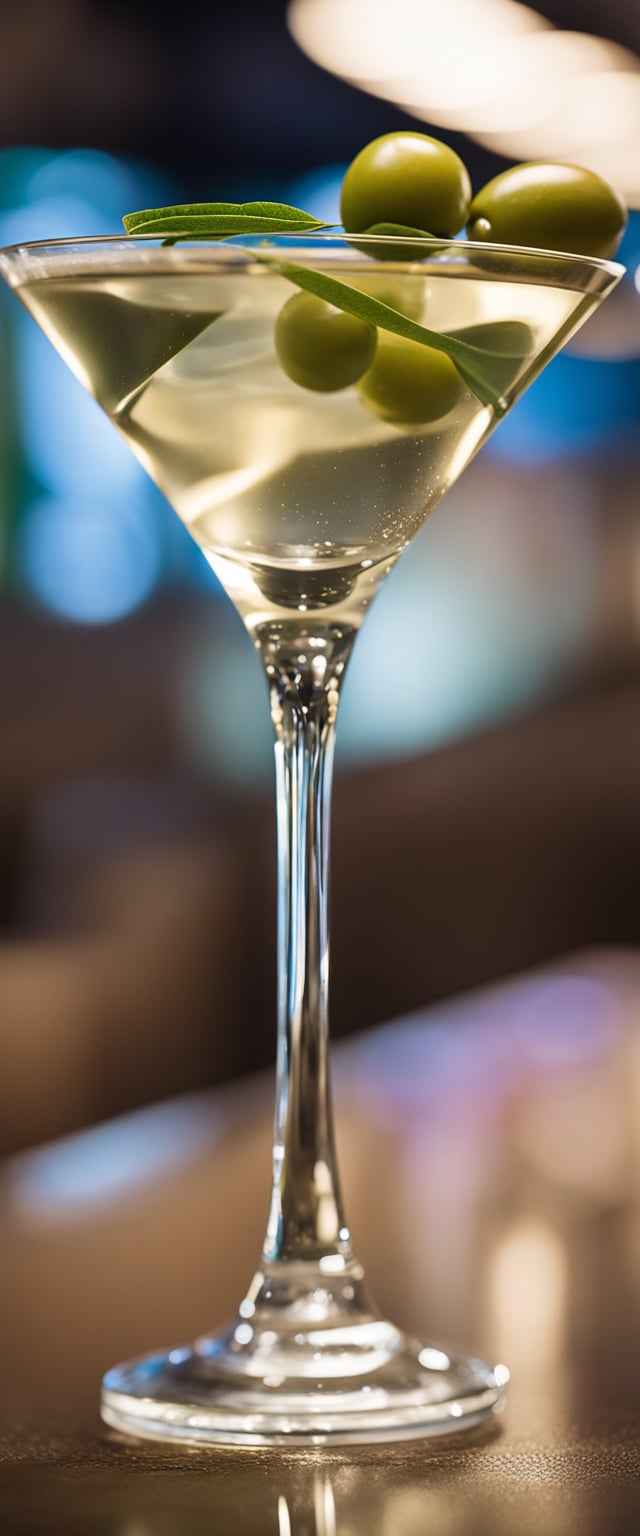
Classic Alcohol-Free Cocktail Recipes to Master
In the previous chapters, we’ve delved into the exciting world of alcohol free drinks, examined the vital ingredients and methods, and even discussed ways to add garnish. It’s time to get our hands dirty and begin mixing. In this section we’ll show you traditional alcohol-free cocktails that every mixologist ought to keep in their recipe book. No matter if you’re hosting a celebration or just looking to have some refreshing drinks such as these timeless recipes will impress your guests, and will delight your taste buds.
1. Virgin Mojito
-
Ingredients:
- 2 oz (60 ml) fresh lime juice
- 2 teaspoons sugar
- A handful of fresh mint leaves
- Soda water
- Ice cubes
-
Instructions:
- In a glass, muddle the sugar and mint leaves to release the mint’s scent.
- Incorporate the fresh lime juice and the ice cubes.
- Pour in soda water and stir gently.
- Garnish with a little fresh mint, and add a lime wheel.
It’s a classic drink. Virgin Mojito is a classic choice for people looking for refreshing and refreshing drinks with a touch of sweetness. It’s the ideal drink to quench thirst on a hot day.
2. Shirley Temple
-
Ingredients:
- 4 oz (120 ml) ginger ale
- 2 oz (60 ml) grenadine syrup
- A maraschino cherry
- Ice cubes
-
Instructions:
- Fill a glass with ice cubes.
- Add the ginger ale and grenadine syrup.
- Mix gently until it is all combined.
- Decorate with a Maraschino Cherry.
The Shirley Temple is a delightful and refreshing concoction that is loved by kids and adults alike. Its sweet and tart flavors are a wonderful choice for any occasion.
3. Virgin PiA+-a Colada
-
Ingredients:
- 2 oz (60 ml) pineapple juice
- 2 oz (60 ml) coconut cream
- 1 oz (30 ml) coconut milk
- 1 cup crushed Ice
- Pineapple wedge and maraschino Cherry to garnish
-
Instructions:
- Blend in a blender the pineapple juice and coconut cream. Add coconut milk, as well as crushed ice.
- Blend until silky smooth creamy.
- Pour into an ice-cold glass.
- Garnish with a wedge of pineapple and maraschino cherries.
Imagine yourself in a tropical island with this sweet Virgin PiA+ Colada. It’s fruity, creamy, and completely indulgent.
4. Virgin Mary (Virgin Bloody Mary)
-
Ingredients:
- 4 oz (120 ml) tomato juice
- 1/2 oz (15 ml) fresh lemon juice
- A pinch of black pepper
- A dash of hot sauce (adjust to taste)
- A celery stick with a lemon wedge to garnish
- Ice cubes
-
Instructions:
- Place ice cubes in a glass and fill it with cubes.
- Add the tomato juice, and fresh lemon juice.
- Make sure to season with black and hot sauce as well.
- Stir well.
- Make sure to garnish with a celery stick or lemon wedge.
The Virgin Mary is a savory and spicy delight. It’s a great choice for those who enjoy a little kick in their drinks, even without the alcohol.
5. Virgin Mojito
-
Ingredients:
- 2 oz (60 ml) fresh lime juice
- 2 teaspoons sugar
- A handful of fresh mint leaves
- Soda water
- Ice cubes
-
Instructions:
- Pour the drink into a glass and mix the mint leaves and sugar so that the mint’s aroma is released.
- Incorporate the fresh lime juice and the ice cubes.
- Make sure to top it off with soda water and stir gently.
- Sprinkle with a bit of mint and lime wheels.
It’s a classic drink. Virgin Mojito is a classic drink for those who want an invigorating and refreshing drink with a touch of sweetness. It’s the ideal drink for thirsty people on a sunny day.
These classic drinks that don’t contain alcohol aren’t just delicious but also extremely versatile. They’re an ideal canvas for your creativity which allows you to experiment with different decorations and presentation styles. In the next part we’ll go over some imaginative and unique alcohol-free cocktail recipes that will improve your mixology skills to a higher level.
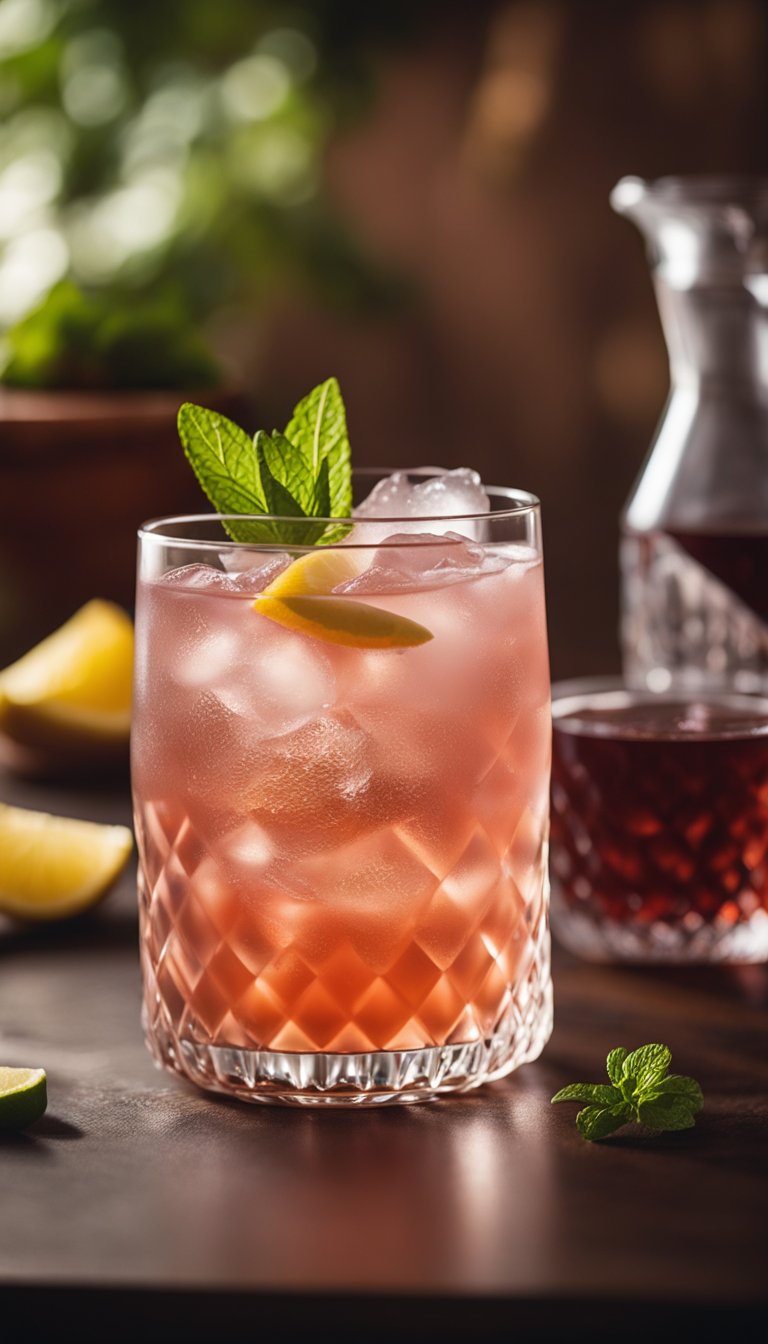
Learning the Art of Mixology. Alcohol-Free Mixology
Through our journey into this world of drinks without alcohol, we’ve uncovered essential ingredients, the tools of the trade, recipes that are classic, and ingenuous cocktails. Now, it’s time to develop your skills to truly be a master of alcohol-free mixology. In this section, we’ll discuss the latest techniques, presentation tricks, as well as insider tips that will elevate your non-alcoholic cocktail from ordinary to extraordinary.
1. Infusing Flavors
-
For Infusion Bottles It is worth considering investing infusion bottles or jars. These bottles allow you to mix many flavors into your cocktails, ranging from herbs to spices to fruits and vegetables. Just add your ingredients and let them infuse to give a unique twist on classic recipes.
-
Cold Brew Tea: Cold-brewed teas are great for adding layers of complexity and depth to your drinks. Test different varieties of tea like hibiscus, chamomile or earl grey. Use them as a base or add flavor to your drinks.
2. How to Layer Art of Layering
-
Layering Tools: for stunning cocktail layered drinks, get bar tools like a bar spoon with a spiral handle and a steady hand. Slowly pour each cocktail ingredient onto the surface of the spoon to create distinct layers.
-
Density Important: Consider the density your ingredients. Larger ingredients, such as syrups, ought to be at the lower end, while the lighter ones such as juices, or sodas, should go above.
3. Smoke and Mirrors
-
Smoking Gun: A great way to bring a little mystery and depth to your drinks, think about a smoking gun. This device fuses your drinks with aromatic smoke. Play around with different kinds of herbs or wood chips to create distinctive flavors.
-
Glass Smoking: For a simpler method, you can smoke the glass itself. Cover the glass by a lid or coaster and let smoke in under. If you open the lid, your guests will be greeted by a smoky aroma.
4. Garnish with Flair
-
edible flowers: The edible flowers such as pansies, nasturtiums, or violets Nasturtiums don’t just look beautiful but also provide an elegant, floral touch to your cocktails. You must ensure that they are not contaminated with pesticides and safe to consume.
-
Citrus Zest: Get your garnishing game up to par by using citrus zest in an innovative way. Use long, spiraled twisted twists of lemon or orange peels to bring a splash of citrus aroma to your drinks.
5. The Mocktail Menu
-
A mocktail menu: If you’re hosting any kind of event make a mocktail menu. Make sure to offer a range of alcohol free choices, ranging from fruity and sweet to savory and herbal in order to accommodate a wide range of tastes.
-
Custom-designed creations: Encourage guests to create their own customized mocktails, by offering a variety of ingredients, garnishes, and glassware. It provides a fun and personalized element to your gathering.
Incorporating these techniques and presentation tips in your mixology arsenal that is alcohol-free by incorporating these advanced techniques and presentation tips, you’ll be on your way to becoming an expert mixologist. As we move to the end of our journey, we’ll conclude our exploration into the world of alcohol-free cocktails. We’ll provide some suggestions and information to keep your cocktails making adventure going.
The Ultimate in Non-Alcoholic Mixology: Crafting the perfect Mocktail Experience
As we close our exploration of non-alcoholic mixology, you’ve embarked on a trip that taken you from the basics of ingredients and equipment through the fine art of presentation and advancement within the world of alcohol-free cocktails. Now, in this final part, we’ll conclude the exploration by putting the pieces together and creating the perfect mocktail experience.
1. It’s the Art of Balance
Making memorable mocktails starts from a foundational principle: balance. The harmonious interaction between flavors texture, aromas and textures is what makes stunning alcohol-free drinks. Here’s how to achieve it:
-
Sweet and Sour: Make sure you balance sweet flavors such as syrups and fruit juices, with acidic elements, such as citrus juices or vinegar. The contrast between sweet and tart creates an underlying complexity and depth to your mocktail.
-
Bitterness and Herbal Notes: Explore the possibilities of bitters, herbs, infusions of herbal essences, and aromatic garnishes such as rosemary and thyme. These ingredients can add an extra layer of sophistication to your beverages.
2. A Personalized Mocktail Experience
One of the joys of mixology without alcohol is that it allows you of creating a customized mixology experience for you as well as your guests. Here are some suggestions to think about:
-
Mocktail Stations: If you’re hosting an event, prepare mocktail stations with diverse ingredients and garnishes. Let your guests craft their own signature mocktails, sparking creativity and engagement.
-
Customized Mocktails Learn about the preferences of your guests to create customized mocktails, based on their preferences. It’s a thoughtful gesture that shows you care about the experience they have.
3. Elevating Presentation
Presentation is key, and is possible to transform a common drink into a work of art. Be aware of these presentation tricks:
-
Glassware Matters: Choose glassware that matches the design of your mocktail. Highball glasses with tall sides coupe glasses for elegant drinks, and mason jars to add a rustic touch.
-
Garnish with Care: Pay attention to the techniques used to garnish. It doesn’t matter if it’s a perfectly curled citrus twist or a meticulously placed herb, it should improve the overall appearance of the mocktail.
4. The Mocktail Menu
A mocktail menu that you create can be a delightful experience. It’s a great opportunity to show your creativity while offering an assortment of alternatives that are alcohol-free. Here’s the best way to come up with an appealing menu
-
Differential: Offer a variety of mocktails, which range between classic favorites and innovative cocktails. There are options for different palates including fruity, herbal, or sweet mocktails.
-
Descriptions: Make engaging, descriptive descriptions for each mocktail that is on the menu. Use vivid language to evoke the flavors and aromas, helping your guests make educated choices.
Conclusion: A toast to your Mocktail Mastery
Congratulations! You’ve conquered the world of non-alcoholic mixedology, from beginning with the basics to learning sophisticated techniques and presentation. If you’re continuing on your quest, be aware it is the practice of creating cocktail recipes that don’t contain alcohol is a blend of skill, imagination, and a love of flavors.
We’ve covered everything you need to know from basic ingredients to techniques for layering including infusion secrets and an important role for garnish. You’ve learned how to create a balance between flavors, personalize experiences, and increase presentation. Now, it’s time to apply your knowledge and embark into your own mocktail adventures.
Whether you’re hosting a party, creating a special mocktail to share with a friend, or having a nice treat for yourself, your mastery of mocktails will ensure that each sip is an absolute delight.
We thank you for taking part in this exciting exploration of non-alcoholic mixology. Keep on exploring, experimenting and relish the flavors of your imagination. Your world is waiting for you to explore and your adventure is just beginning.
We hope you’ve found this five-part article series educational and inspirational. If you’ve missed any one of the previous articles or are looking to revisit a specific topic, here’s a quick review:
- The basics of alcohol-free Mixology: A comprehensive guide for the most important ingredients and instruments for making mocktails.
- Mastering the Art of Mocktail Presentation: Strategies to make your mocktails look stunning and attractive.
- Innovative Recipes for Mocktails: Creative recipes that enhance your mocktail skills.
- Mocktail Insider Secrets: Tips and techniques to take your mocktails to the next level.
- The Final Stage of Non-Alcoholic Mixology: Making the perfect mocktail The place we are at.
We wish you all the best in your future Mocktail adventures. Welcome to the wonderful world of mixology that is alcohol-free!
The rise of alcohol-free spirits or the Rise of Alcohol Free Spirits’
In recent decades, the world of beverages has experienced a major transformation. No longer are there days when the option for non-drinkers and those looking to get away from alcohol was limited to sugary sodas or bland mocktails. Today, a new player has emerged on the scene that has captivated the palates of those who drink alcohol-free drinks around the world.
In this piece in this article, we’ll go on an adventure to discover the intriguing blends, with particular attention paid to their presence and increasing popularity in Europe. So buckle up as we dive into the rising popularity of alcohol-free spirits as well as their fascinating journey within the world of drinks.
The Evolution of Beverage Choices
The beverages market is always changing, adjusting to changing tastes and habits of the consumers. The days where non-drinkers’ only choices were soda, water or a dull mocktail, are now a distant memory. As a result of a growing demand for alternatives to alcoholic drinks, the beverage industry has stepped up its game.
Alcohol-free spirits are now an elegant and appealing option for those seeking an enjoyable drink without the harmful effects of alcohol. They are designed to mimic the taste and quality that alcohol-based beverages offer which provide an authentic and enjoyable experience for both individuals who do not drink as well as those choosing to cut out alcohol.
The European Market’s Empowerment
Although the demand for alcohol-free spirits is a global movement, Europe has been at the forefront of this movement. This European market has warmly embraced these new drinks, with consumers from various nations searching for unique alternatives that will enhance their drinking experience.
Countries like those of the United Kingdom, Germany, and France have seen a rise in demand for alcohol-free spirits, with an increasing number of distilleries and brands catering to this newfound enthusiasm. European consumers are increasingly recognizing that they do not have to compromise on flavor or class when they choose to cut out alcohol.
The European market’s move to embrace alcohol-free spirits isn’t just one-off trend, but indicative of a larger change in consumer preferences. It signifies a preference for healthier and more mindful alcohol choices.
What’s driving the Trend?
A variety of factors are behind the growing popularity of alcohol-free liquor in Europe. One of the major drivers is the rising awareness of wellbeing and health. Nowadays, consumers are more conscious of their alcohol consumption and are actively seeking alternatives to enjoy the social aspects drinking without the negative side effects on health.
Additionally, the increase in alcohol-free spirits is closely linked with the trend towards mindful drinking. This concept encourages individuals to be more careful about the choices they make when drinking, and enjoy drinking the experience, rather than consuming alcohol. Alcohol-free spirits perfectly fit into this idea, giving the opportunity to indulge in the art of mixing and sipping, without having to worry about alcohol.
As we proceed in this article, we’ll take a look at the European market for alcohol-free spirits. We’ll examine the main players as well as the exciting options as well as where you can access these drinks. Join us in the next segment as we look into the European market and the vibrant scene of alcohol-free spirits.
XX3

The Variety of Alcohol-Free Spirits in Europe
In the preceding section we began an adventure to study the growing popularity of alcohol-free spirits in Europe. We learned how these intriguing drinks are seeing increased interest when consumers are looking for sophisticated and healthier alternatives to traditional alcoholic drinks. Let’s dive deeper into the world that is alcohol-free spirits. We’ll also explore the vast array of options Europe can offer in this realm.
A Plethora of Choices
One of the most fascinating features of the alcohol-free spirit movement is that there are a wide variety of options that consumers have. From flavorful gin alternatives and complex whiskey substitutes, the market of alcohol-free spirits offers rich in flavors and tastes waiting to be explored.
Alcohol-Free Gin: Aromatic Delights
Gin lovers will be delighted as there are a myriad of alcohol-free alternatives to gin that capture the essence of this beloved spirit of the botanical. These non-alcoholic gins are infused with juniper, herbs and spices, providing that gin aroma and flavor, but without alcohol. If you like a classic tonic with gin or an innovative cocktail alcohol-free gin allows you to enjoy the distinctive flavors of gin, without the euphoria.
Whiskey Alternatives: The Complex World of Flavor
For those who are interested in the depth in whiskey, the number of alcohol-free whiskey alternatives has grown substantially. The spirits are crafted so that they resemble the rich dark, and oaky tones typical to whiskey, making them popular among those who love to drink. You can drink it neat or on the rocks or in a cocktail, alcohol-free whiskey offers a nuanced and enjoyable drinking experience.
Herbal Liqueurs that are both aromatic and appealing
Herbal Liqueurs have a long, rich history in Europe, and the alcohol-free versions aren’t the only ones. They are made from a blend of herbs, spices, and botanicals, these liqueurs deliver a variety of tastes and scents that can up your drink-making game. Do you prefer the calming warming aroma of herbal liqueurs their use in creating intricate cocktails there’s an alcohol-free choice to suit your tastes.
Versatile Vodka Alternatives
Vodka lovers shouldn’t miss enjoying the party either. Alcohol-free options for vodka can be used to capture the neutral taste of vodka, making them a variety of mixers that can be used in a diverse range of cocktails. They’re a blank surface for mixologists who want to create unique drinks while maintaining a calm mind at the time to go home.
Where can you find alcohol-free spirits in Europe
We’ve now enticed your palates with the diverse offerings in the world of alcohol-free spirits, you might be wondering where you can obtain the delicious blends. Europe has seen an increase in the availability of alcohol-free spirits and they are sold in various places:
-
Specialty Liquor Stores: There are many liquor stores that feature separate sections for non-alcoholic drinks, including spirits. These stores have been designed to be excellent spots to find new flavors and brands.
-
Restaurants and Bars: As the demand for alcohol-free alternatives continues to increase, restaurants and bars across Europe offer more alcohol-free beverages as well as spirits. Ask your server for suggestions.
-
Online retailers: The convenience of online shopping has made it more convenient than ever to explore and buy alcohol-free spirits. Numerous online merchants offer a large selections, which allow you to browse and order from your own home.
-
Craft Distilleries: Small-batch and craft distilleries have been at the forefront of the alcohol-free spirits movement. In visiting these distilleries, you can have an educational experience as you learn about their manufacturing processes and try their distinctive creations.
In light of the incredible diversity of alcohol free spirits available in Europe and where to find them, we’re now ready to study the elements that are behind their success. Join us in the next section as we look at the main reasons behind the growing movement of alcohol-free spirits in Europe.
XX4
Stock Up Directly: Choose Swedish Distillers for Bulk Non-Alcoholic Spirits Excellence!
The health benefits of drinking alcohol-free Spirits
On our journey to discover the realm of alcohol-free spirits in Europe We’ve explored the mystifying variety of options and discovered where to find these exciting drinks. This is the time to tackle a topic that is crucial which is the health benefits making the choice to drink alcohol-free spirits rather than traditional alcoholic drinks.
A Healthier Alternative
The Calorie Conundrum
One of the most significant advantages of alcohol-free spirit is their calorie content or, more accurately, the lack of. Traditional alcohol drinks can be high in calories, with certain cocktails containing hundreds of calories per serving. On the other hand, alcohol-free spirits typically have low levels of calories thus making them a fantastic choice for people who are aware of their calories.
No Hangovers, No Regrets
One of the best-known advantages of choosing spirits that are alcohol-free is an absence of hangovers. Traditional alcohol consumption often leads to unpleasant experiences the next day, characterized by fatigue, headaches, and nausea. Alcohol-free spirits are a great way to enjoy a night out without the need to relive a hangover next day.
Low-risk health risks for the elderly
The reduction in alcohol consumption through using alcohol-free spirits is a good way to contribute to better long-term health. Excessive alcohol intake is associated to a number of health risks for example, liver disease and heart problems as well as an increased risk of certain types of cancer. By avoiding alcohol, you can decrease the risk of these problems and help improve overall health.
Increased Mental Well-being
Improved Sleep
Alcohol, even though it’s initially an sedative, may disrupt sleeping patterns and cause poor quality sleep. It can result in stress and mental fatigue. Alcohol-free spirits allow you to indulge in a relaxing drink without compromising your sleep quality.
Focus and Mental Clarity
Alcohol can affect the cognitive process and also affect the way you make decisions. When you drink alcohol-free beverages, you can maintain mental clarity and remain focused making it simpler to take part in meaningful conversations and have fun at social gatherings.
A Culinary Adventure
Endless Mixology Possibilities
Alcohol-free spirits provide an exciting world of mixology. Mixologists and home bartenders alike are able to experiment with a variety of flavor including spices, herbs and herbs to craft unique and sophisticated alcohol-free cocktails. This culinary adventure can be an exciting and delicious adventure.
Food Pairings with Food
Mixing alcohol-free spirits with food is a delicious culinary experience. Due to the absence of alcohol’s strong influence, you’ll be able to investigate how different flavors compliment and enrich your dining experience. It’s an opportunity to savor each of the flavours of your meal completely.
Frequently Asked questions (FAQs)
Q1: Are alcohol-free spirits are alcohol-free?
A1: Alcohol-free spirits usually contain only a tiny amount of alcohol, typically less than 0.5% Alcohol by Volume (ABV). This can not be considered to be intoxicating, and it is safe for the majority of people to consume.
Q2 What can alcohol-free spirits be utilized in traditional cocktail recipes?
A2: Absolutely! Alcohol-free spirits can be substituted for traditional alcoholic spirits in the majority of cocktails. They provide the flavors and aromas essential for creating delicious cocktails, but without alcohol content.
Q3: Are there dangers to your health when you consume alcohol-free spirits?
A3: While alcohol-free spirits are generally considered healthy, people suffering from certain illnesses or medications should be consulted by their medical professionals prior to drinking. It’s important to be aware of your decisions based upon your particular health issues.
In the course of exploring the many advantages of drinking spirit that is alcohol-free, we’ll enter the world of mixology that is alcohol-free in this next chapter. Join us as we discover some of the most creative recipes as well as techniques for making delicious alcohol-free cocktails.
XX5
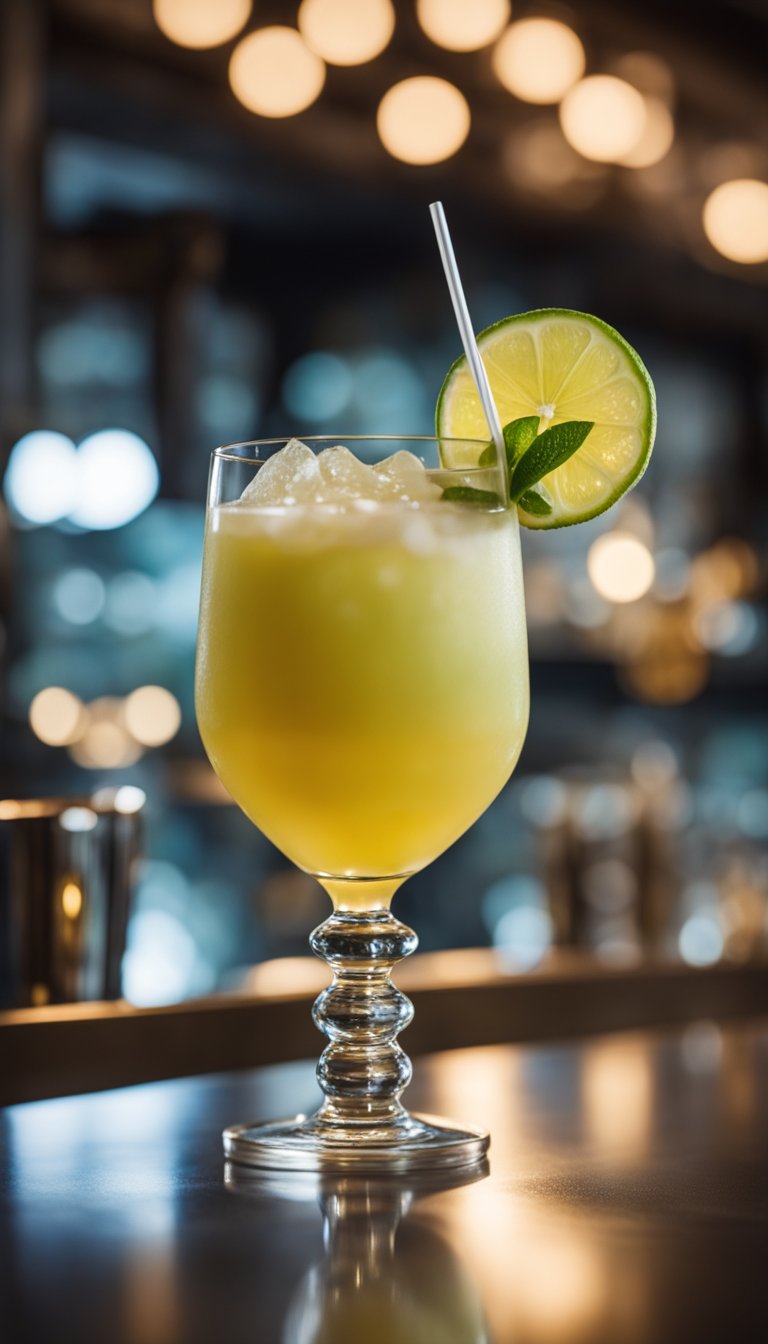
How to make exceptional cocktails with no alcohol: Mixology Masterclass
Welcome back to our exploration through the world of non-alcoholic spirits. We’ve already examined the many intriguing options available in Europe we’ve explored the health benefits associated with choosing spirits with no alcohol content, and discussed the culinary delights of pairing them with food. Now, it’s time for you to enrich your experience with Mixology classes to craft outstanding alcohol-free cocktails.
The Art of Mixology
Unleash Your Inner Mixologist
Mixology is commonly described as the art and science behind making cocktails. While it may sound complex but it’s accessible to everyone with a passion for beverages and an interest in experimenting. Whether you’re a seasoned bartender or an avid home drinker making alcohol-free cocktails is an exciting and fulfilling endeavor.
Essential Mixology Tools
Before we start making drinks, it’s vital to have the right tools available at your disposal. Here are the essential mixology tools to get you started:
- Cocktail Shaker Mixer: Used for mixing with chilling and mixing cocktails.
- Jigger It ensures the accurate measurement of ingredients.
- Muddler essential for crushing fruits, herbs, and spices.
- Strainer aids in the separation of liquids from solid ingredients.
- Bar Spoon It is used to stir cocktails.
- Citrus Juicer for extracting fresh fruit juices.
- Glassware Select the appropriate glasses for various cocktails.
Creative Cocktail Recipes that are Alcohol-Free
Virgin Mojito
Ingredients:
- 2 oz alcohol-free white rum
- 1 oz fresh lime juice
- 2 teaspoons sugar
- 6-8 fresh mint leaves
- Soda water
- Lime wedge and mint sprig to garnish
Instructions:
- Pour the drink into a glass and muddle the mint leaves and sugar.
- Use fresh lime juice or alcohol-free white rum.
- In the glass, add ice and top up with soda water.
- Stir gently and serve with lime slices and an sprig of mint.
Alcohol-Free Pina Colada
Ingredients:
- 2 oz alcohol-free coconut rum
- 3 oz pineapple juice
- 2 oz coconut cream
- Crushed Ice
- A maraschino cherry and a pineapple wedge to garnish
Instructions:
- In a mixer, mix alcohol-free coconut liquor, pineapple juice, and coconut cream.
- Blend until the mixture is smooth.
- Pour into one of the chilled glasses. Garnish with a slice of pineapple and maraschino cherries.
Cucumber Cooler
Ingredients:
- 2 oz alcohol-free gin
- 1 oz fresh lime juice
- 1 oz elderflower cordial
- 4-6 cucumber slices
- Soda water
- Cucumber wheel and mint sprig for garnish
Instructions:
- In a shaker mix and shake the pieces of cucumber.
- Mix in alcohol-free gin, fresh lime juice, or elderflower cordial.
- Shake well before straining into a glass that is filled with ice.
- Drink it up with soda water and garnish by putting a cucumber wheel on top and a mint sprig.
FAQs about Mixology and Alcohol-Free Spirits
Q1: Can I use spirits without alcohol in traditional cocktails?
A1: Absolutely! Alcohol-free spirits are able to be used as an alternative to alcohol alternatives in a wide variety of cocktails. They can provide the same taste and aromas with no alcohol content.
Q2: Where can I locate mixers that are alcohol-free?
A2: You can purchase many alcohol-free spirits in specialty liquor stores, online retailers, and some well-stocked supermarkets. Find brands that provide the widest range of tastes to enhance your drink experience.
Q3: Can you suggest some additional mixology tricks that are creative? alcohol-free cocktails?
A3: Create your own garnishes such as citrus twists colored syrups or edible flowers. Explore different glasswares and the presentation style to make your alcohol-free cocktails visually attractive.
Improve Your Alcohol-Free Cocktail Experience
With these creative alcohol-free cocktail recipes and mixology suggestions, you’re well on your path to becoming an expert of crafting extraordinary beverages. In the next section, we’ll wrap up our exploration of alcohol-free spirits by taking looking at their increasing popularity and the future for this exciting area.
The emergence of alcohol-free Spirits: a Recap and a glimpse into the future
This is the final part of our exploration into the world of fascinating alcohol-free spirits. Over the past four articles we’ve examined the variety and variety of alcohol-free spirits, their positive health effects, paired them with delicious food, and mastering the art of mixing. In this final article we’ll summarize the major lessons learned and look into an exciting future in this exciting business.
Recap: A Sip in Memory Lane
Section 1: Exploring the world of alcohol-free Spirits
In our first post we began an exploration into the world of alcohol-free spirits. We explored the rich history of alcohol-free spirits as well as the numerous choices that are available in the European market. From alcohol-free gin, to non-alcoholic whiskey, the options were as fascinating as they were tasty.
Section 2: The health benefits of abstaining from alcohol
Our next article was a deep dive into the benefits to health of alcohol-free spirits. We talked about how these beverages come with the same flavors and aromas as their alcoholic counterparts, but without the harmful health side effects. From better sleep to better water intake, the benefits were clear.
Section 3 The Culinary Delights Pairing Alcohol-Free Spirits
In our last article, we examined the culinary pleasures mixing alcohol-free beverages with food. We learned about the art of match-ups of flavors, and enhancing your dining experience by pairing carefully selected alcohol-free drinks. The possibilities of experimenting with creative combinations of food were almost limitless.
Section 4: Designing and Creating Outstanding Alcohol-Free Cocktails
The fourth article is a mixology masterclass in which we taught you how to craft exceptional alcohol-free cocktails. We talked about the key mixology tools, shared creative recipes, and answered common questions regarding mixology using spirits that are alcohol-free.
The Future of Alcohol-Free Spirits: A Glimpse Ahead
When we are done with our journey we must consider the future of alcohol-free spirits. The industry has experienced tremendous growth in recent times, and the direction of growth suggests greater developments in the in the future.
1. Novelties in Flavor Profiles
One of the most exciting opportunities is the ever-changing flavor profiles. It is possible to expect an ever-growing array of alcohol-free spirits, all of which will offer unique taste experiences. As exotic botanicals blends to adventurous infusions, the choices will be greater than ever before.
2. Environmental Sustainability, Ethical and Sustainable Practices
As people become more aware of their environmental impact, the alcohol-free spirits industry is likely to place a high value on ethics and sustainability. From sustainable sources for ingredients to packaging that is eco-friendly, this industry is poised in the forefront of by example in the field of eco-consciousness.
3. Extended Accessibility
Alcohol-free spirits are increasingly available. In the future, they’ll appear at the counters in supermarkets, liquor stores, and bars. As demand grows, the supply of alcohol-free products in a variety of settings will increase and make it easier for customers to make the right choice.
Conclusion: Cheers to a Bright Future
In conclusion, this is a thrilling and constantly evolving field. We’ve covered its fascinating history the health benefits it offers, its culinary possibilities, and mixology possibilities. When we look ahead, we observe an industry on close to even greater growth and innovation.
If you’re a seasoned enthusiast or someone just taking the first steps into the realm of alcohol-free spirits, it has never been an appropriate time to raise a glass in celebration of this rising category. With numerous flavors, wholesome options and a dedication to sustainability and sustainability, the future of alcohol-free spirits is something you should raise a glass to.
We thank you for taking part on this journey, and I wish you the best in your exploration of the intriguing world of alcohol-free spirits.
Decoding EU Regulations on Non-Alcoholic Beverages The Guide You Must Read to Ensure In-Conformity
In the realm of beverages and food, ensuring compliance with regulations is not just legally required, but is a fundamental aspect of consumer trust and security. In the European Union (EU), known for its stringent regulations and strict rules, puts a lot of emphasis on ensuring non-alcoholic beverages adhere to the highest standards of safety and quality. This article, the first part of the series, aims to help you understand the complexities of EU regulations governing non-alcoholic beverages.
Comprehending the EU Framework
The Overview EU Regulatory Bodies
The heart of EU laws governing non-alcoholic alcohol are several key regulatory agencies that each play a key responsibility in ensuring that all products in the market are and are safe to consumers.
1. The European Commission: Often considered as the executive branch of the EU and the European Commission takes charge of proposing legislation and implementing decisions. When it comes to rules governing food and drink, the Commission is the key figure in establishing the rules and regulations within which alcohol-free drinks are allowed to function.
2. EFSA (European Food Safety Authority ):• This independent agency offers scientific advice on the safety of food and feed to authorities of EU institutions. EFSA’s expertise is essential in assessing the safety and quality of ingredients and additives used in non-alcoholic beverages.
3. National Authorities Alongside the EU’s regulations, individual states of the EU may have particular rules. National authorities oversee compliance with EU regulations at a local level.
Framework Legal Framework
Understanding EU laws regarding non-alcoholic beverages requires an understanding of the legal framework that governs these regulations. The EU utilizes two kinds of legislation: regulations and directives.
EU Regulations: They are directly applicable for all members and do not require separate national legislation. When an EU regulation is enacted the law becomes effective in all member states at once.
EU Directives: Directives, on the other hand, lay out the goals states of the EU must meet. Then it is up to each member state to enact the laws of its own country to be in line with the directive.
The interaction between EU regulations and the laws of member states can often be complex, and requires businesses to deal with both overall EU rules as well as particular national laws.
Knowing the rules and regulations will become the first step in making sure that you are in that you are in compliance with EU regulations on non-alcoholic beverages.
In the next segment, we will explore particular aspects related to EU rules, focusing on ingredient labeling and labeling requirements, which are essential for companies involved in the drink industry.
Stay with us as we investigate the complexities of labeling and ingredient regulation within the EU for non-alcoholic beverages.
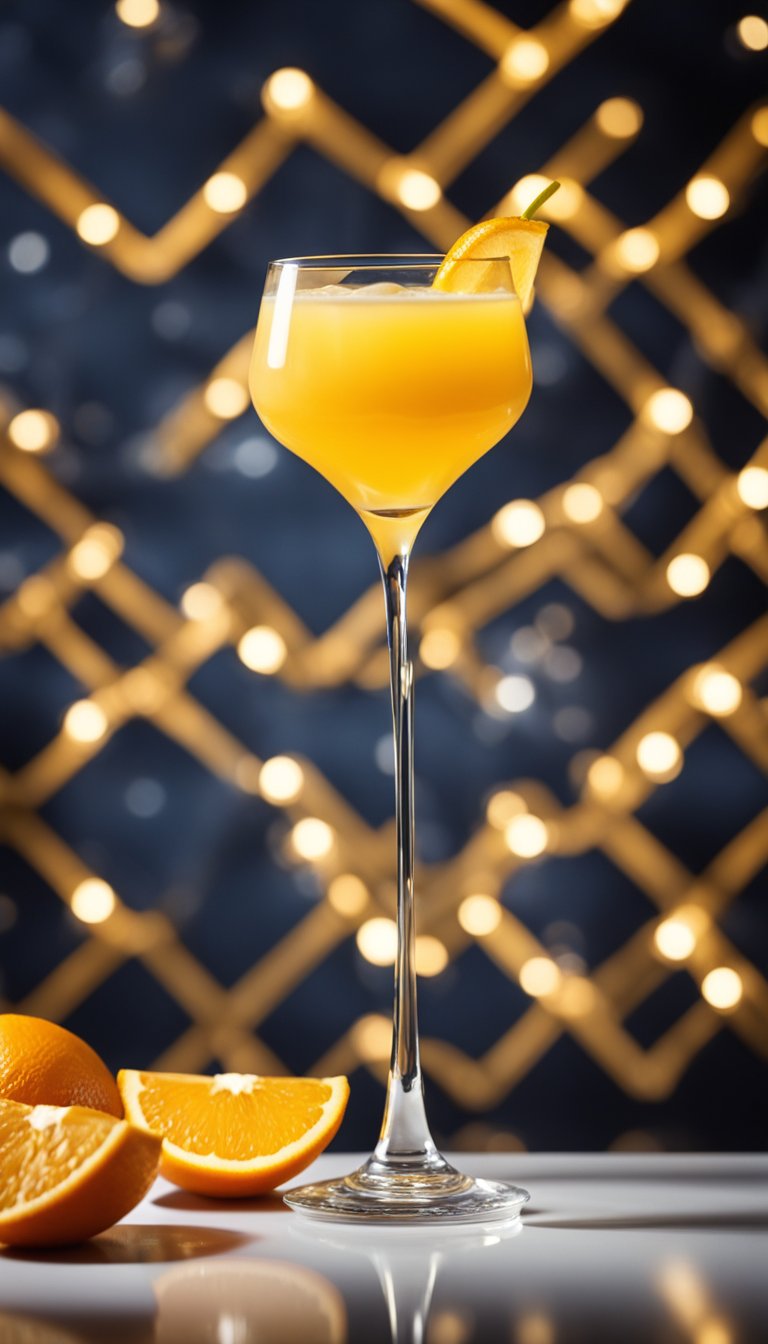
Navigation EU Regulations: Labeling and Ingredient Requirements for non-alcoholic beverages
In the previous section we took a journey to unravel the complex web of EU regulations regarding non-alcoholic beverages. Now, let’s dive deeper into the details, focusing on ingredient labeling and labeling requirementsaEUR”a vital area of compliance for businesses operating in the sector of beverages.
labeling guidelines
clarity and Transparency
EU regulations are very precise when it comes time to label non-alcoholic beverages. The goal is to make sure that consumers are provided with the most accurate and complete information about the items they purchase. Here are a few of the most important aspects of the guidelines for labeling:
1. Name of the beverage The name should clearly convey the essence of the beverage. Incorrect names that may confuse consumers are not allowed.
2. Ingredients List: Alcohol-free beverages need to list the ingredients including each ingredient in descending order of weight.
3. Allergic Information: In the event that a beverage contains any of the 14 allergens listed in EU guidelines (e.g., nuts, milk, gluten) these must be clearly stated in the ingredients list.
4. Net Quantity: the amount of the beverage needs to be stated in milliliters, milliliters or centiliters. It can also be stated in kilograms grams or milligrams, depending on the product.
5. Best Before/Use By Dates Non-alcoholic beverages with a shelf life of less than 18 months have to be accompanied by an “use by” date. If they have a longer shelf time should have a “best ahead of” date.
Nutrition Declaration
Recent years have seen EU regulations have made it mandatory for non-alcoholic beverages to give nutrition information for each 100ml of the beverage. This includes information about energy value and the quantity of fat, saturateds, carbohydrates, sugars Protein, salt, as well as fat.
Ingredient Requirements
Utilization of Additives
EU regulations strictly control the addition of ingredients to non-alcoholic beverages. Additives have to be licensed, safe for consumption, and serve a technological purpose (e.g., colorants, preservatives or sweeteners).
Natural Mineral Waters
If a beverage is labeled “natural mineral water,” EU regulations are particularly tough. The waters must come from sources that are recognized and meet specific standards regarding the mineral content and purity.
Fruit Juices and Nectars
If a non-alcoholic beverage contains nectars or fruit juices, it must adhere to the established standards for fruit content. For example, nectars made from fruit must contain at minimum 25 percent percentage of fruit.
Sweeteners
The consumption of sweeteners can be controlled to ensure safety and protect the interests of consumers. Labels must clearly specify whether sweeteners are included.
What’s Next?
As we’ve observed, EU regulations on labeling and requirements for ingredients in non-alcoholic beverages are comprehensive and designed to safeguard consumer interest. Making sure you are aware of and following these rules is essential for companies working in this area.
In the next segment we’ll explore security and quality standards and explore how EU guidelines ensure non-alcoholic drinks are in line with the highest standards of quality. Join us on this journey to decode the complexity of EU regulations.
Join us as we discover the complexities of safety and quality standards which are imposed by EU rules for non-alcoholic drinks.
Realize Greater Profits: Buy Alcohol-Free Spirits in Bulk Direct from Swedish Distillers!
Qualities and Standards for Safety Assuring high-quality, non-alcoholic beverages within the EU
While exploring the labyrinth of EU regulations concerning non-alcoholic beverages We’ve discovered vital information about labeling and ingredient requirements. Now, let’s continue our exploration by delving into the world of quality and safety standardsaEUR”critical aspects that uphold the integrity of these beverages in the European market.
Quality Standards
Water Quality
Water is the key ingredient in several non-alcoholic drinks, and its quality is crucial. EU rules require that drinking water must meet strict quality requirements. This ensures that the water’s origin, treatment, as well as its transportation do not compromise beverages’ safety or flavor.
Natural Mineral Waters
For beverages labeled as “natural mineral water,” EU regulations are particularly precise. These waters must originate from trusted sources and comply with strict standards regarding mineral quantity and purity. Mineral waters from nature are revered for their pure quality and unique mineral composition, making them an invaluable asset to the non-alcoholic beverage industry.
Fruit Juice Purity
In drinks that are made with fruit juices as well as fruit juices, EU enforces specific fruit content standards. For instance, nectars made from fruit should contain a minimum proportion of fruit in order to ensure the beverage’s authenticity and quality.
Hygiene and Manufacturing Practices
Achieving a clean and safe production process is vital. EU regulations mandate that all businesses involved in beverage production adhere to strict safety and hygiene standards to avoid contamination and ensure product safety.
Safety Standards
Microbiological Criteria
Microbiological security is a fundamental aspect of making non-alcoholic beverages. EU regulations set microbiological guidelines to ensure that drinks are free of harmful microorganisms that could pose health hazards to consumers.
Contaminant Limits
To protect the health of consumers, EU regulations define maximum standards for the different contaminants in non-alcoholic beverages. These contaminants include mycotoxins, heavy metals and pesticide residues. Monitoring and testing procedures that are rigorous are in place to ensure that they are in compliance with these guidelines.
Enhancement Safety
The additives used in non-alcoholic drinks must be thoroughly evaluated for their safety. EU regulations require thorough studies and risk assessments before additives are permitted for use. This ensures that consumers are not exposed to any unnecessary risks.
The Role of Quality Control
Quality control plays an essential part in ensuring that non-alcoholic drinks are in compliance with the highest standards of safety and quality. Manufacturers are accountable for the implementation of stringent quality control procedures, beginning with the sourcing of raw materials until the production stage.
What Lies Ahead?
Standards for quality and safety are the foundations on which the reputation of non-alcoholic drinks is built on in the EU market. In our next chapter we’ll dive into the tangled world of marketing and packaging regulations, and shed light on how these elements impact the overall compliance landscape.
Keep an eye on us as we enter the realm of marketing and packaging regulations. These are the essential components of EU compliance with non-alcoholic drinks.

Marketing and Packaging in the EU: Navigating EU Regulations for Non-Alcoholic Beverages
As we continue our journey through the intricacies of EU regulations governing non-alcoholic beverages, we find ourselves at a crossroadsaEUR”packaging and marketing. These issues are important in order to comply, but also to grab the interest of consumers in a competitive market. Let’s look into the world of packaging and marketing regulations within the European Union.
Package Regulations
Material Safety
The EU is determined to ensure that the substances used in beverage packaging do not contaminate the contents. Manufacturers must follow strict requirements for the use of materials such as glass, plastics and metals. This guarantees that the packaging doesn’t alter the substance or the safety of the beverage.
Sustainable and Recycling
Environmental sustainability is a growing concern, and the EU favors environmentally sustainable packaging solutions. Regulations are designed to reduce the amount of waste generated and encourage recycling by establishing targets for the usage recycled materials and reduction of waste from packaging.
Tags and presentation
Labeling is one of the most important aspects of packaging. EU regulations require transparent and accurate information on labels. This includes ingredient list, the name of the product nutrition information, as well as allergen declarations. Labels help consumers make educated choices and also ensure transparency.
Marketing Regulations
True Advertising
Non-alcoholic beverages that are sold in the EU must adhere to the rules of accuracy and truthfulness. Advertising claims, such as health claims or benefits of the ingredient, must be supported by scientific research.
Protection of Minors
Given the potential draw of non-alcoholic drinks to minors marketing efforts need to avoid focusing on the same demographic. The EU sets strict guidelines to protect against advertising that might incite consumption by children.
Alcohol Imitation
Non-alcoholic drinks should not resemble the appearance or packaging of alcoholic beverages. This avoids confusion among customers and ensures that the promotion of these drinks is clear and transparent.
Challenges and Innovations
In the world of marketing and packaging, navigating regulations can be challenging, but they also open up opportunities for innovation. Many companies are now embracing sustainable packaging products that align with both regulatory requirements as well as consumer demand for environmentally friendly alternatives. Innovative marketing strategies that place emphasis on health benefits, as well as distinctive flavors are getting more popular on an EU market.
What’s Next?
Our investigation of EU rules on non-alcoholic beverages would not be complete without addressing the crucial aspect of ensuring compliance to these regulations. In the next section, you’ll delve in to the strategies and guidelines that can help businesses make sure that they comply with the strict standards of the EU.
Stay tuned as we learn the keys to ensuring compliance with EU regulations for non-alcoholic drinks.
How to navigate EU Regulations for Non-Alcoholic Beverages: A Complete Guide
The fifth and final edition of our complete guide to finding your way through EU regulations for non-alcoholic beverages. In this series, we’ve dived into the complicated world of regulations for the production of safety, labeling, and promotion of non-alcoholic drinks within the European Union. In this final piece this article, we’ll recap of the principal points from each chapter and provide final thoughts on the challenges and opportunities in this incredibly controlled sector.
A Recap Our Journey
Section 1: Production Standards
In the first article, we explored the production guidelines developed by the EU for non-alcoholic drinks. Some of the key points we learned are:
- Safety and hygiene standards must be adhered to for production premises.
- Guidelines for ingredient selection and quality.
- The importance of complying with minimum residue levels for Pesticides and contaminants.
- What is the importance of adhering in accordance with Good Manufacturing Practices (GMP) is crucial.
Section 2 2. Labeling and Nutritional Information
In our next article, we outlined the importance of the correct labeling of food items and nutritional information. Highlights include:
- Labeling that is accurate and clear, including ingredient lists, details on nutrition and declarations of allergens.
- The importance and significance of truthfulness in advertising and the need for solid scientific proof to back up assertions.
- The prohibition against inducing consumers to believe false information.
Third Section: Safety and Quality Assurance
The third article in our series is dedicated to safety and quality assurance. Highlights of the article:
- The strictest safety standards are in place to prevent contamination and ensure the security of alcohol-free beverages.
- The importance plays a role in Hazard Analysis and Critical Control Points (HACCP) in making sure that food safety is maintained.
- Monitoring and traceability helps quickly detect and fix safety issues.
Section 4: Marketing and Packaging
In the fourth article we reviewed the rules pertaining to marketing and packaging:
- Standardization of the safety of packaging materials that are designed to prevent contamination.
- It is important to emphasize recycling and sustainability in packaging.
- Guidelines for ensuring that advertising is honest as well as protection for minors as well as the prevention of counterfeit alcohol.
Opportunities and Challenges
As we wrap up our trek through EU regulations for non-alcoholic beverages the sector is full of challenges as well as opportunities. The challenge lies in navigating the regulatory maze that requires compliance, as well as adapting to changing consumer preferences for green and healthy choices.
However, there are substantial chances for companies to respond to these obstacles:
-
Innovative: Developing eco-friendly packaging and marketing strategies that focus on health benefits can make you stand apart from the competition.
-
Transparency: Adhering to the requirements of labeling as well as advertising regulations not only ensures compliance, but also helps build consumer trust.
-
Safety: Prioritizing safety and quality assurance can protect your brand’s reputation and safeguard the interests of your customers.
Conclusion
In this series, we’ve explored through the multifaceted realm of EU laws governing non-alcoholic beverages. From standards for production to packaging marketing, safety and security it is imperative to comply for an effective business.
When you’re navigating these regulations keep in mind that they’re intended to safeguard consumers and ensure the highest quality standards. Make sure you embrace sustainability, innovation, and transparency to thrive in the competitive EU sector for non-alcoholic drinks.
We thank you for taking our journey to learn. We hope you’ve gained valuable insights into the regulatory landscape of non-alcoholic beverages in the EU.
Recap of All Articles in this Series
-
Section 1: Production Standards
-
Section 2 Section 2: Nutritional Labeling and Information on Labels
-
Third Section: Safety and Quality Assurance
-
Section 4: Marketing and Packaging
Continue your quest for success in the field of non-alcoholic drinks be sure to keep up to the most up-to-date EU laws.
Making the perfect alcohol-free Mocktails Enjoy a Delightful Trip
In the last few decades, the world of drinks has witnessed a remarkable transformation. No longer are the days that those who did not drink were forced to settle for simple soft drinks or basic water while their pals had cocktails and spirits. Today, the popularity of alcohol-free cocktails has not only filled the void but also brought new ideas, flavors, and excitement to the realm of non-alcoholic drinks. In the initial segment of our series, we will dive into the world of alcohol-free alcoholic mocktails and explore why they have become the most popular drink at any party.
The Mocktail Revolution
Mocktails which is a clever blend from “mock” or “cocktail,” represent a new way to think about non-alcoholic drinks. These delicious cocktails capture taste of classic cocktails with out even a drop of alcohol. While mocktails have been in existence for some time but their popularity has grown exponentially in recent times, due to a rising demand sophisticated, alcohol-free alternatives.
What is this Craze?
Mocktails are not just something that is trending in the past; they’re on the way to staying. Numerous factors play into their rising popularity.
-
The Health Awareness A growing awareness of the health risks associated in drinking, more and more people are turning to healthier options. Mocktails can be a healthier option without compromising flavor.
-
Inclusivity in a society that believes in inclusivity drinks, they ensure that everybody regardless of their drinking habits, can take part to the party. They make it easier for alcohol-related and non-drinking people at social gatherings.
-
Creative expression The art of making a mocktail has become an art form. It gives mixologists and drink enthusiasts to explore flavors colours, garnishes, and colors making visually appealing and delicious drinks.
-
Diverse ingredients The range of ingredients available for mocktail-making is astounding. Fresh herbs, fresh fruits, spices, and syrups provide a myriad of possibilities in creating unique and thrilling flavor profiles.
-
Zero Hangover: One of the many appealing features of mocktails absence of a hangover. You can sip these drinks all night long without waking up with a pounding headache.
The Mocktail Appeal
How do mocktails become so attractive? Let’s delve into some of the key reasons why these alcohol-free wonders have won the hearts and senses of many:
Flavorful Bliss
Mocktails are all about flavor explosions. They offer a symphony of tastes, from tangy and zesty to sweet and refreshing. You may be craving something fruity or herbal, or even spicy, there’s a mocktail recipe that will satisfy your palate.
Visual Elegance
The presentation is important, and mocktails deliver on the aesthetics. These drinks are often beautifully embellished with fresh fruits fresh herbs, and vibrant straws. The bright colors and unique garnishes make them a treat for the eyes.
Versatile Delights
The possibilities of mocktails are endless. They can be tailored for any occasion from casual gatherings to formal gatherings. There are mocktails for brunch, drinks for parties as well as mocktails that work well with your most-loved meals.
Inclusive Cheers
With a drink in hand there is no way to feel to be left out. They create a sociable atmosphere that allows everyone to join in the fun. They encourage lively conversations as well as shared experiences, but without the need for alcohol.
In our journey through this world full of alcohol-free cocktails, we’ll go over everything from necessary cocktails-making tools to mouthwatering dishes that will elevate your beverage game. We hope you’ll join us as we embark on this amazing journey. In the next section we’ll get deeper into details of how to make the most perfect mocktail.

Make the perfect alcohol-free mocktail The Essential Tools and Ingredients
We are back on our way through the world of mocktails that are alcohol-free. In this segment, we will explore the essential tools and ingredients you’ll need for these delightful concoctions that are visually stunning, and also bursting with flavor. So, let’s join hands and set off on a tasty adventure!
The Mocktail Maker’s Arsenal
Just as a painter needs brushes and a canvas, a lover of mocktails needs particular tools and ingredients to create your perfect cocktail. Let’s glance at the toolkit of a mocktail maker.
1. Glassware
The choice of the best glass for the mocktail you’re planning to serve is vital to presentation. Different glass types serve different purposes:
- Highball Glass: Perfect for tall and refreshing mocktails such as Shirley Temple, the Virgin Mojito or Shirley Temple.
- Cocktail Glass (Martini Glass) The perfect glass for serving sophisticated and elegant mocktails.
- Mason Jar: Gives an authentic and casual feel to your drinks. Great for outdoor gatherings.
- Coupette Glass: Excellent for serving smaller and more concentrated mocktails.
2. Shaker
Mixer shakers are crucial in making mocktails that need mixing. It’s a great tool when you have to mix various ingredients like syrups, juices, and frozen ice.
3. Muddler
A Mudler is a tool for bartending employed to crush fruits spices, or herbs to release their flavors. It’s the perfect tool for mocktails which require muddled ingredients, like drinks like the Virgin Mojito or Raspberry Smash.
4. Jigger
Jiggers are a measurement tool that will ensure precision in the mocktail recipe. It will help you determine an appropriate proportion of ingredients while also balancing flavors precisely.
5. Bar Spoon
A bar spoon with a long handle is useful for stirring cocktails without affecting the ingredients’ layers. It’s particularly useful when mixing or stirred mocktails.
6. Ice
Ice is an essential element in many mocktails. It is essential to have an ice maker or tray available to ensure that your mocktails stay nice and refreshing.
The key ingredients to Mocktail Magic
Now that you know your tools, let’s get into the fundamental ingredients which form the basis of mocktail creation:
1. Fresh Fruits
Fresh fruit are the star to many mocktail recipes. They are a natural source of sweetness, bright colors, and tanginess. Some of the most sought-after flavors include:
- Citrus Fruits: citrus fruits like limes, lemons and grapefruits are the most popular choices for zesty flavors and refreshing acidity.
- Berries: Strawberries, raspberries, blueberries and blackberries add sweetness and a burst of color.
- Tropical Fruits: Pineapples, mangoes and passion fruit give a tropical flair into your mocktails.
2. Fruit Juices
Fruit juices provide the basis for many mocktails. Try having a selection of juices available that include orange, apple, cranberry, and Pomegranate, to give you different flavor profiles.
3. Herbs and spices
Fresh herbs and fresh spices improve the aroma and taste of mocktails. Mint, rosemary, basil and cinnamon are all popular options as garnishes for mocktails and infusions.
4. Syrups and Sweeteners
To provide sweetness and depth the mocktails you drink, syrups and sweeteners such a simple syrup, honey, agave nectar, and grenadine is essential.
5. Soda Water
Soda water or sparkling water provides fizz as well as a refreshing ingredient to mocktails. It’s the main ingredient in classic mocktails, such as for example the Virgin Mojito and Virgin Pina Colada.
6. Bitters
Bitters are concentrated extracts of flavor which can be used sparingly to enhance the complexity of mocktails. A few drops of fruit or aromatic bitters can have a positive impact on the taste.
Sourcing Fresh Ingredients
For the best tasting mocktail make sure you source high-quality and fresh ingredients. Visit your local farmers’ market or grocery store for the freshest ingredients in fruits vegetables, herbs, and juices. Remember that fresh produce can make all the difference in taste.
In the next part we’ll get our hands dirty and start crafting some delicious mocktail recipes. We’ll go through classics and creative creations that will impress your guests as well as delight your taste palate. So, stay tuned for an experience that is worthy of a sip!
The Smart Choice for Retailers: Order Alcohol-Free Spirits in Bulk from Swedish Distillers!
How to master the Art of Crafting Mocktails: Classic and Innovative Recipes
Welcome to the world of mocktail making, where we delve into the middle of mixology with no single drop of alcohol. In this section, we’ll explore traditional and innovative mocktail recipes that are sure to awaken your taste buds and delight your guests. You may be hosting a dinner party while lounging at the beach or just want refreshment and flavor This mocktail has you covered.
Traditional Mocktail Recipes
1. Virgin Mojito
Ingredients:
- Fresh mint leaves
- Lime wedges
- 2 tablespoons of sugar or simple syrup
- Soda water
- Crushed Ice
Instructions:
- Mix lime wedges and mint leaves with simple syrup or sugar in a glass.
- Fill the glass with ice cubes.
- Make sure to top it off with soda water and mix gently.
- Garnish with a mint sprig or an orange wedge.
2. Virgin Pina Colada
Ingredients:
- One cup pineapple juice
- 1/2 cup of coconut cream
- Crushed ice
Instructions:
- Blend pineapple juice, coconut cream, along with crushed and smashed ice till it is smooth.
- Pour the drink into an chilled glass.
- Serve garnished with a slice of pineapple and a maraschino cherry.
Creative Mocktail Creations
3. Berry Bliss
Ingredients:
- 1.5 cups of mixed 1 cup of mixed (strawberries blueberries and raspberries)
- 2 tablespoons of honey 2 tablespoons of agave nectar
- Lemon juice
- Soda water
- Crushed ice
Instructions:
- Blend berries in a mixture with honey or agave, as well as squeeze of lemon juice.
- Pour the drink into a glass with crushed glass.
- You can top it off with soda water then give it a gentle stir.
- Garnish with lemon juice and a couple of berries fresh.
4. Cucumber Cooler
Ingredients:
- Four to five cucumber slices
- 2-3 basil leaves
- 1/2 lime Juiced
- 1 tablespoon of simple syrup
- Soda water
- Crushed Ice
Instructions:
- Muddle the cucumber slices and basil leaves in a glass along with simple syrup and lime juice.
- Fill the glass with crushed frozen.
- Serve it with soda water. Stir gently.
- Garnish with a cucumber slice and an herb sprig of basil.
Tips for Mocktail Mastery
- Play around with ingredients Be willing to get creative and try different herbs, fruits, and spices for unique flavor profiles.
- Presentation is important: Garnish your mocktails with fresh fruits, herbs, or colorful straws to make them visually appealing.
- Harmonizing Act: Achieve the perfect balance between sweet, sour, and bitter flavors by adjusting quantities of ingredients.
What’s Next? Mocktail Garnishes and Glassware
In the next section we’ll examine how to garnish mocktails as well as the importance of picking the right glassware for that perfect presentation. You’ll discover how you can take your skills with mocktails to a new level by using these key strategies and techniques.
So drink up, whether it’s the classic Virgin Mojito or indulging in the sweet and fruity pleasure of Berry Bliss the art of making mocktails is all about tasting tasty flavors without the need for alcohol. Stay tuned for more delicious mocktail recipes!
What is Art of Crafting Mocktails: Drink Garnishes and Glassware
Welcome back to our journey through the world of mocktail making. In this segment we’ll discuss the technique of garnishing mocktails and the importance of selecting proper glassware. These final touches can elevate your mocktail from average to something extraordinary, making your drink not just taste great but also look amazing.
Upgrade Your Model’s Hair with Garnishes
The garnishes for mocktails play an important part in improving both the flavor and presentation the drinks. Here are some garnishing ideas that will leave your guests impressed:
1. Citrus Zest
A dash of lemon, lime or orange zest gives a burst of fresh citrus scent and a note of flavor to the mocktail. Use a citrus peeler create long, elegant twists.
2. Herb Sprigs
Fresh herbs sprigs such as basil, mint or rosemary do not just lend a delightful fragrance but additionally enhance the flavors of your mocktail. Simply slap the herbs between your palms to release their essential oils before garnishing.
3. Fruit Slices
Thin slices of fruit, like lemon, lime, or strawberry, are not only appealing visually, but also make your mocktail more flavorful by adding a subtle fruity essence.
4. Edible Flowers
The delicate edible flowers such as violets or pansies may transform your mocktail into a piece of art. You must ensure that the flowers are safe to consume and free of pesticides.
5. Umbrella Straws and colorful Picks
For a touch of the fun and excitement, try miniature umbrellas, colourful straws or swizzle sticks. They’re great for tropical-themed mocktails.
The Function of Glassware
The glassware you select can profoundly affect the overall quality on your part with your mocktail. Here are some classic glassware options and how to make use of them:
1. Highball Glass
is ideal for mocktails with higher proportion of spirit to mixer, such as Virgin Mojito or Virgin Pina Colada.
Why the tall, wide shape of a highball glass provides plenty of ice. It keeps the drink chilled, and is ideal for drinks served with tonic or soda.
2. Rocks Glass (Old Fashioned Glass)
The perfect choice for: Mocktails serve “on the rocks” which means over cold ice, for example for example, the Cucumber Cooler.
Why They are shorter and robust glasses are intended for drinks that don’t require mixers and plenty of Ice.
3. Cocktail Glass (Martini Glass)
Great for: Elegant and upscale mocktails such as Berry Bliss. Berry Bliss.
Why the iconic cocktail glass’s wide shallow bowl is great for drinks that are stirred or shaken and not served with some ice.
For Garnishing Tips Pro
- Preparation Prepare your garnishes in advance so they are ready to go when creating mocktails to serve your guests.
- Serving Place the garnishes delicately on top of the mocktail. You can also use cocktail picks to ensure that they remain in their place.
- Balance Check the balance between the drink and the garnish In order to avoid having the garnish to overpower the taste.
Coming Up Next: Essential Mocktail Tools
In the next section, we’ll delve into the most essential tools that every mocktail enthusiast should have within their toolbox. From shakers to muddlers these tools will allow you to make your mocktail crafting more efficient. So, stay tuned for more suggestions and tricks to increase your mocktail game.
The Mocktail Masterclass Series: Crafting non-alcoholic delights
This is the final installment for our Mocktail Masterclass series! Over the course of our four articles we’ve taken an in-depth look at the art of making stunning mocktails. From choosing the top ingredients to enhancing your garnishes and Glassware, this article has covered it everything. In this chapter’s final installment we’ll review our experience as well as leave you with concluding thoughts on the subject of mocktail-making.
A Recap of Our Mocktail Journey
Section 1 The Mocktail Renaissance
In our first article, “The Mocktail Renaissance: Elevating Non-Alcoholic Mixology,” we discussed the resurgence of mocktails and cocktails in today’s food scene. Some of the key takeaways we gleaned were:
- The growing demand for non-alcoholic alternatives.
- The unlimited possibilities of mocktail ingredients.
- Balance and the flavor profile.
Section 2 Mixing Magic: Creating the perfect base
In the next installment, “Mixing Magic: Crafting the Perfect Mocktail Base,” we delves into the most fundamental components of mocktails. They include:
- Syrups and fruit purees and juices used as base ingredients.
- Innovating and creating unique flavors.
- In balancing sweet, sour and bitter elements.
Section 3 The Art of Mocktail Garnishes
Our 3rd piece “Mastering the art of Mocktail Garnishes, Glassware and Mocktail Garnishes” was focused on aromatic and visual components of mocktails.
- Garnishing techniques and ideas, from citrus zest to edible flowers.
- The right glassware to choose for the ideal presentation.
- Pro tips to increase you game of garnish.
Section 4: Shaking It Up: Most important Mocktail Tools
In the last article, “Shaking It Up: Essential Mocktail Tools and Techniques,” we explored how to use the tools as well as the skills to be a successful mocktail master:
- A must-have tool for creating mocktails.
- Shaking, stirring, and muddling techniques.
- Recipes for classic mocktails to test your abilities.
Final Words: Cheers To Your Mocktail Adventure!
As we come to the end of our Mocktail Masterclass series, we hope you’ve been inspired to start your own mocktail-making adventures. Making mocktails involves more than mixing ingredients. It’s an art that allows you to express your creativity while catering to diverse tastes and offer a welcoming drink experience for all.
No matter if you’re a veteran mixologist or a newbie, the world of mocktails provides infinite possibilities. There are endless flavors to explore, surprise your taste buds and share tasty mixed drinks, which are alcohol-free, with your friends and your family.
Here’s to your journey to mocktail! Let your creations be delicious, the garnishes you serve and your glasses flawless. If you’re hosting an important event or just enjoying a relaxing evening The power of mocktails is to elevate any event.
Stay on the lookout for more
While this marks the end the Mocktail Masterclass series, we have more fun content in to come for you. From cocktail ideas to culinary adventures, we’ll continue to provide helpful tips and inspiration in your cooking and drink excursions.
We thank you for taking us in this tasty journey. Keep exploring, keep making while sipping on those fabulous mocktails!
Alcohol-Free Spirits vs. Traditional Spirits in the UK This is a must-read showdown for health-conscious drinkers!
In the last few years the world of alcohol has undergone a major transformation. As people increasingly focus on their fitness and overall health, the demand for alcohol-free alternatives has grown. It is evident that in United Kingdom, this trend has taken on the form a fierce competition between alcohol-free spirits and traditional alcohol.
Learning the Shift
Alcohol-free spirits, also called “non-alcoholic” as well as “alcohol-free” alternatives have gained popularity with consumers seeking better health and a more mindful drinking experience. These beverages are designed to recreate the essence of and taste of traditional spirits, but without the alcohol content.
But what’s driving this shift towards traditional spirits? The answer is a combination of variables. The health-conscious population is becoming more conscious of the consequences of the excessive consumption of alcohol on their well-being. This has led to a surge in demand for alternatives that give you the satisfaction of sipping a traditional cocktail without the disadvantages of alcohol.
The Spirit that is Alcohol-Free Phenomenon
Defines Alcohol-Free Spirits
Alcohol-free spirits are produced with accuracy, mixing botanicals, spices, and herbs for a variety of flavorful and complex drinks. They are meticulously distilled to get the essence of these components, resulting in a delicious taste comparable to traditional spirits.
In the Ingredients, and the Process
Producing alcohol-free spirits has been a laborious science. Producers carefully select botanicals, spices and herbs, usually sourced from all over world, to give a distinct and captivating flavor profile. These ingredients are then blended with water and distilled, giving a liquid that is concentrated and contains the essence of the selected ingredients.
The rise in Popularity
In the UK and elsewhere, alcohol-free spirits has seen an increase in popularity due to the rapid development throughout the beverage industry. Leading brands have introduced many alcohol-free choices, catering to different preferences and tastes. This diversity makes it much easier for customers to switch between traditional spirit brands and their alcohol-free counterparts.
But why do people decide to opt for alcohol-free liquor? It’s not only about health. These drinks provide a flexible basis for mixologists who can create amazing alcohol-free cocktails. They have become a symbol for sophistication and choice that caters to those who want an alcohol-free drink without the content.
In the next article in the next section, we’ll look into the tradition of traditional spirits. We’ll look at their rich history and significance to the UK. We’ll also examine the key distinctions between traditional and alcohol-free spirits to help you decide on the best choice for when you’re ready to drink.
Keep following us for a amazing journey through areas of traditional spirits and non-alcoholic alternatives.
Traditional Spirits: A Look into the UK’s Liquid History
In the beautiful pubs, cozy bars, and elegant cocktail lounges of the United Kingdom, traditional spirits remain a significant part of the country’s culture and heritage. Whether sipped straight or mixed into classic cocktails, these time-honored cocktails have a rich, long-standing time-line that spans centuries.
The Legacy of Traditional Spirits
A Whiskey Tale
Another of the famous and adored authentic spirits that is whiskey. It’s called “whisky” throughout the UK. Scotch whisky, particularly has been acclaimed worldwide for its rich flavours and the time-tested quality. The earliest traces of Scotch whisky go back to the 15th century, making it among the oldest spirits distilled in the world.
Gin: From Medicina to Mixology
Gin, another beloved traditional spirit, has a fascinating past in UK. It was first developed for medicinal purposes the spirit gained enormous popularity in the late 18th century when it was utilized as the base for the well-known cocktail known as the Gin and Tonic. The juniper-infused spirit has become the foundation of mixology, offering a diverse range of botanical flavors to explore.
The Art of Distillation
The Distillation Process
Traditional spirits like vodka, whiskey, gin and rum are created using a method of meticulousness known as distillation. This involves heating a fermented alcohol to create the vapor, and then cooling it in order to condense vapor into a liquid form. The result is a concentrated alcoholic spirit that retains the unique flavors of the ingredients used in the fermentation.
The role of aging
The process of ageing is one of the key aspects in the production of traditional spirits, especially whiskey. The whiskey is usually matured in wooden barrels, mostly oak, over a period of years. Then, it undergoes chemical modifications that give it distinct aromas, flavors, and a smooth finish.
Tradition and Innovation Meet
Traditional spirits are able to hold their place in the hearts of many UK people, the drink environment is changing. The emergence of alcohol-free spirits has added an entirely new dimension to the world of alcohol that is challenging the conventional notions of what a spirit should be.
In the next segment in the next part, we’ll discuss the most important differences between alcohol-free spirits and their more traditional counterparts. The next section will explore the flavour profiles, versatility, and health aspects that distinguish them from traditional spirits. You may be a devoted fan of traditional spirits or a newcomer, knowing these distinct characteristics will allow you to make informed choices on what to drink on your next outing.
Join us as you travel the fascinating crossroads of tradition and modernity in the field of spirits. In Section 3, we’ll look into the intriguing spirit world that is alcohol free within the UK.
Maximize Your Margins: Order Alcohol-Free Spirits Directly from Swedish Distillers in Volume!
Incorporating an Alcohol-Free Revolution: Spirits for a New Generation
With the setting sun over the London’s bustling cities as well as the tranquil countryside, a slow-moving revolution is taking place with regard to spirits. Traditional spirits such as Gin and whiskey have long been adored by those in the British social scene an alternative has risen, ready to redefine the landscape using alcohol-free spirits.
A stark shift in perspective
Sobriety Movement Sobriety Movement
In recent times, the movement to sobriety has seen a surge in popularity throughout the UK as well as elsewhere. People are increasingly seeking other alternatives to consuming alcohol which allow them to enjoy the conviviality of gatherings with no harmful effects of intoxication. This shift in the culture has paved an opening for rise of spirits that are alcohol free.
Un Question of Health
Health-conscious consumers are also driving demand for alcohol-free options. Many are concerned about the negative health consequences of excessive alcohol consumption, such as the damage to the liver and an increased chance of developing certain illnesses. Alcohol-free spirits give you the opportunity to indulge in the flavors and rituals of drinking without the health risks.
Uncovering the world of alcohol-free Spirits
Flavorful Alternatives
Alcohol-free spirits, also referred to as “spirits alternative” which is also abbreviated as “non-alcoholic spirits,” are crafted to imitate the distinct flavors of traditional spirits. Whether you’re craving the smoky flavors of whiskey, the distinctive botanical flavor of gin or the sweet taste of Rum, there’s an alcohol-free choice to please your taste.
Botanical Blends
A variety of alcohol-free spirits are made by blending a variety of plants, herbs, spices, and fruits. The ingredients carefully chosen can be macerated or distilled in order for extraction of their flavor creating a liquid that has the flavor of traditional spirits.
Absolutely No Evidence, Full Experience
One of the most intriguing characteristics of alcohol-free spirits their ability to deliver a complete sensory experience, without the effects of alcohol. You can savor the aroma along with the taste and the slight burn of a perfectly-crafted alcohol-free liquor, all while remaining sober.
Mixing and Matching A Variety of Alcohol-Free Spirits
Cocktail Creativity
One of the exciting characteristics that alcohol-free spirits have is their flexibility in mixology. As with their alcohol-based counterparts they are used to create several cocktails. From alcohol-free mojitos, to virgin G&Ts, the possibilities are limitless.
Pairing Possibilities
Alcohol-free spirits work well with various mixers, allowing you to make refined and refreshing drinks. If you like soda, tonic water, or fruit juices made from fresh fruit, there’s an alcohol-free spirit cocktail that is sure to please your taste buds.
Future of Drinking: The Future of Drinking
In a moment when we look forward to the exciting world of alcohol-free spirits, it’s apparent that they’re more than only a trend that’s passing, but fundamental shift in the way we view drinking. You can choose to drink sober, prioritizing health, or simply trying new flavours Alcohol-free spirits give you an inclusive and vibrant drinking experience.
In the next section we’ll discuss how alcohol-free spirits stack up against their traditional counterparts. We’ll look at the main differences in flavor, ingredient and consumption, assisting you make informed choices when it comes to the best spirit for you.
Join us as we embark upon a sensory journey that is a bridge between traditional and modern. In the fourth section we’ll be comparing alcohol-free spirits with traditional spirits, and highlight their unique characteristics and advantages.

A Taste Showdown The Showdown: Alcohol-Free Spirits vs. traditional Spirits
In the constantly evolving world of drinks, an intriguing competition is unfolding involving alcohol-free spirits against. traditional spirits. In the quest for alternatives to traditional alcoholic drinks alcohol-free spirits have become a credible rival. In this section we’ll explore the major differences between these two categories, focusing on flavor profiles that are based on ingredients and the total drinking experience.
Flavor: A Symphony of Tastes
Alcohol-Free Spirits
When it comes to taste, alcohol-free spirits are crafted to please. These spirit alternatives boast diverse profiles that cater to various tastes. It is possible to find non-alcoholic options that imitate the rich, smoky notes from whiskey. You can also enjoy the floral depth of gin, or the sweet caramel undertones of Rum.
Bold Botanicals
Many alcohol-free spirits rely on botanical components like coriander or juniper along with citrus peels in order to produce their distinctive flavors. The botanicals are carefully chosen and then distilled or macerated in order to create complex flavor profiles so that every sip is a delight.
Traditional Spirits
The traditional spirits of the past have ruled supreme in the realm of flavor. Whiskeys, Gin, vodka, rum, and other classics have become standard ingredients in mixology. The flavors they produce are the result of complex distillation processes, aging in barrels, and a careful use of all the components.
aged elegance
Traditional spirits usually benefit from being aged in wooden barrels giving nuanced tastes. Whiskey, in particular, gets its distinctive flavor through interplay between spirit and the wood. The process of ageing leads to the creation of distinct flavor profiles that can include aromas of caramel, vanilla, and oak.
Ingredients: Crafting Complexity
Alcohol-Free Spirits
Making alcohol-free spirits is an art that is dependent on the botanical knowledge. Producers and distillers select an enticing blend of botanicals, herbs, spices, and fruits to create the most balanced and delicious drink. The ingredients are transformed using a variety of methods for extracting their essence, all without the use of alcohol.
Traditional Spirits
Traditional spirits contain a clear collection of ingredients. For instance, whiskey is primarily made from fermented grain mash, while gin’s key botanical is juniper. The technique of traditional production of spirits lies in the distillation process. In this, alcohol is a fundamental component.
Consumption: A Sobering Experience
Alcohol-Free Spirits
One of the standout advantages of alcohol-free spirits is the ability to give you a full-sensory pleasure without the side effects of alcohol. You can experience the scent, taste, and even the slight burning sensation of a properly-crafted alcohol-free spirit while maintaining complete sobriety. This makes them a logical option for those seeking to revel in the experience of drinking alcohol without the risks of intoxication.
Traditional Spirits
Traditional spirit, just as their names suggests, are alcohol-based. While they can provide a rich and varied flavor range as well, they can also bring the effects of alcohol consumption which could include intoxication, impairment, and the possibility of health hazards.
An Evolutionary shift in drinking habits
As we compare alcohol-free spirits to traditional counterparts, it becomes evident the fact that each category has distinct advantages and attributes. Alcohol-free spirits give you a diverse and vibrant drinking experience, accommodating the requirements of those looking to maintain their sobriety or want to improve their health or simply enjoy different flavors.
In the upcoming section we’ll explore the practical aspects for incorporating alcohol free spirits into your daily life. From creating delightful cocktails to drinking in a single sip We’ll explore the variety and creative possibilities they offer in the field of alcohol.
After having explored the flavors, ingredients, and consumption of alcohol-free spirits in comparison to. the traditional spirit, we’ll begin Section 5 where we’ll supply users with useful information and recipes to enjoy alcohol-free spirits in various ways.
How to master the art of enjoying Alcohol-Free Spirits
This is the last installment of our five-part series on spirits that are alcohol-free or. the traditional spirit. In the previous chapters of this series, we’ve discussed the specifics of flavor, ingredient, and the overall drinking experience in both categories. In Section 5, you’ll be on a voyage to learn the practical and enjoyable aspects using alcohol-free spirits into the daily routine.
Making Crafted Cocktails: A World of Possibilities
The Art of Crafting the Perfect Mocktail
One of the joys of non-alcoholic spirits is their versatility in mixology. For those who host gatherings or just unwinding from a long day, it’s possible to can make use of alcohol-free spirits to create the basis for a wide range of exquisite mocktails. Here are some suggestions to get you started:
-
Citrus Bliss: Mix alcohol-free vodka with the fresh juice of a lime, syrup made from elderflower, and soda water for an energizing and refreshing concoction.
-
Minty Elegance: Mix rum that is alcohol-free with mixed mint leaves along with lime juice and one teaspoon of simple syrup to create an unadulterated mojito bursting with flavor.
-
Berry Breeze: Blend alcohol-free vodka with mixed berries, cranberry juice, and a touch in agave nectar to make an exciting and fruity mocktail.
Awakening Classic Cocktails
There’s no need to give up classic cocktails when choosing spirits that are alcohol-free. With a little imagination, you can re-create your favorites using a non-alcoholic spin:
-
Virgin Martini: Mix traditional gin or vodka with alcohol-free gin. Add a few drops of vermouth, then garnish with a lemon twist or olive for a sophisticated mock Martini.
-
A Nojito It is a mojito without alcohol. substitutes alcohol-free rum for rum giving a crisp and refreshing rendition of the original.
Sipping in Style: Nice and on the rocks
Alcohol-free spirits aren’t meant to be mixed, but they’re designed to be drunk. Pour them in a glass with ice and take them in a glass, just as you do with traditional spirits. There are several popular options for savoring alcohol-free spirits:
-
Alcohol-Free Whiskey: Drink slowly and sip the delicate flavors of traditional whiskey, without the alcohol.
-
Gin Alternates: Explore the floral complexity of alcohol-free gin by drinking it straight or with ice, garnished with your favourite plants.
-
Rum Substitutes: Explore the rich and sweet flavours of rum with no alcohol. It can be enjoyed on its own or used to create tropical-inspired mocktails.
Frequently Asked Questions About Alcohol-Free Spirits
Q1: Can I mix spirits that are alcohol-free within cocktails?
Absolutely! Mixing alcohol-free spirits with traditional spirits can result in distinct flavors, as well as decrease the overall alcohol content of your cocktail.
Q2 Do alcohol-free drinks work for people who are in recovery?
Yes, alcohol-free spirits make an an excellent option for individuals in recovery as they provide the flavor and experience of spirits but with no alcohol.
Q3 Can alcohol-free spirits be lower in calories than traditional spirits?
In general, spirits that are alcohol-free tend to be lower in calories compared to their alcoholic counterparts. However, the exact calorie count may differ based on the type and brand in alcohol-free spirit.
Conclusion: The World of Alcohol-Free Spirits Is Waiting for You
In this comprehensive series, we’ve explored the world of alcohol-free spirits, comparing them to traditional spirits in regards to flavor, ingredients consumption, and usage. It’s evident that alcohol-free drinks are much more than an idea – they’re an exciting and diverse approach to drinking.
Whether you opt for alcohol-free spirits for health reasons or as part of a sober lifestyle, or just to broaden the options of your beverages and options, they are a wealth of options. From making sophisticated mocktails to sipping them neat or on the rocks The choice is yours.
In your adventure of discovering alcohol-free spirits ensure you are enjoying the tastes, explore mixology, and experience the pleasures of alcohol-free drinking. Enjoy a vibrant and open-minded world of alcohol!
To go back to any of the sections of this series, or to dive deep into the issues discussed just click the links below:
-
Section 1: The Essentials of Alcohol-Free Spirits
-
Section 2: Crafting Alcohol-Free Spirits
-
Section 3: The Rise of Alcohol-Free Spirit Brands
-
Section 4: Flavorful Experiences: Drinking alcohol-free Spirits
We thank you for taking part to explore the world of spirits with no alcohol. We are hoping that you will find this series entertaining and inspiring. When you enter this world of non-alcoholic beverages can you find delight, excitement, and creativity.
Explore Botanical Alcohol-Free Spirits inside the EU The New Wave of Flavor
In recent times, there has been an amazing shift in the world of drinks, especially in the European Union (EU). The public is increasingly looking for alternatives to traditional alcoholic drinks that don’t compromise on quality or enjoyment. This has led to the exciting world of botanical alcohol-free spirits.
It is the Botanical Renaissance in EU Drinks
Picture this: You’re sitting in a chic bar the center of Barcelona, sipping a refreshing and fragrant cocktail. It’s a journey of sensory delight through the garden, with every sip revealing layers of botanical depth. What makes this drink stand out? It’s alcohol-free and infused with the essence of nature.
This isn’t just the result of a dream, but is a reflection of a rising trend in the EU beverage industry. Botanical alcohol-free spirit is enticing consumers with their distinct flavors and aromas, making them the latest craze in the drinks scene.
What Makes Botanical Alcohol-Free Spirits unique?
Botanical alcohol-free spirits obtain their distinctive character from a carefully curated collection and natural elements. They are made by experienced distillers who place a high value on flavors and depth.
Bold, italic, and underline styles allow us to highlight the most important aspects of botanical spirits made without alcohol:
-
Flavor Profiles: It is a spirit that offers a diverse range of flavors, from the zesty and citrusy to the herbal and spicy. They’re made to please your palate and stimulate your senses.
-
Essential Qualities of Aroma: The botanical components such as juniper, lavender and coriander are able to create fragrant symphonies that are awe-inspiring to the nose. They also improve the overall experience.
-
Nature-based Ingredients Like many of the synthetic additives used in various alcoholic drinks, botanical spirits depend on pure, natural components like spices, herb, fruits, and botanicals.
Imagine sipping a glass of the alcohol-free gin, which is infused by juniper and lemon peel and cardamom. Juniper imparts a mild woody aroma, while the lemon peel gives an uplifting zing, and the cardamom provides a hint of warmth and spice. This complex dancing of flavors is the thing that makes botanical alcohol-free spirits distinct.
Since we’ve introduced to the enchanting world of botanical alcohol-free spirits and their distinctive qualities, let’s delve deeper into the most popular brands in the EU that lead the way in crafting these delicious drinks. In the next part we’ll focus at the most innovative brands as well as their dedication to quality and innovation.
Join us for Part II of our journey to discover the EU’s flourishing Alcohol-Free Spirit Brands.
Elevate Your Retail Game: Bulk Order Non-Alcoholic Spirits Direct from Swedish Distillers!
The pioneering brands that craft Botanical Alcohol-Free Spirits
The demand for plant-based alcohol-free spirits continues its rise in the European Union (EU), companies that are innovative are rising to the challenge, and redefining the way we experience non-alcoholic beverages. In this section we’ll take a deeper look at a few pioneering brands that are leading the way in this exciting new market.
**1. Seedlip: the Art of Distillation
Bold and underlined If it comes to alcohol-free spirits made from botanicals, Seedlip is a name that frequently stands out. Created by Ben Branson, Seedlip has developed the art of distillation to produce a variety of exceptional alcohol-free spirits.
Seedlip’s most famous product, Seedlip Garden 108, is crafted using a complex blend of peas, hay, spearmints, rosemary and thyme. It is a spirit that provides a fresh, herbal flavor, ideal for making sophisticated cocktails.
**2. A+corn Aperitifs: Enhancing your Aperitif Experience
Italicized: A+corn Aperitifs is another brand based in Europe getting noticed in the world of alcohol-free spirits made from botanicals. They specialize in making non-alcoholic drinks that are great to sip before dinner or for a basis for cocktails.
A+corn Bitter is a smoky and complex flavor that reminds to traditional bitters. Through its complex blend of botanicals, including chinchona, wine grapefruit, and oak it offers a refined alternative to alcohol-based drinks such as aperitifs.
**3. Lyre’s: It’s a World without Alcohol Options
Lyre’s is an internationally renowned brand with a solid reputation for its wide selection available alcohol-free spirits. From alcohol-free gin or rum to amaretto and whiskey Lyre’s offers a variety of options that will satisfy a wide variety of preferences.
Underlined: One of their best-selling products, Lyre’s American Malt, provides the rich, oaky, and caramel-like notes you’d expect from a whiskey that’s traditionally made. It’s an ideal choice for people who want to savor the essence of whiskey but without alcohol content.
**4. Ceder’s: Ceder’s: The Spirit of Sweden
Italicized Ceder’s hails from Sweden has a unique blend of pure Swedish drinking water along with unique South African botanicals to create special alcohol-free spirits. Ceder’s refreshing and crisp Wild is a testament of their dedication to taste and quality.
It is a blend of juniper, Rooibos, ginger, Ceder’s Wild blends a delightful mix that combines Scandinavian and South African influences, making it an outstanding choice in the world of herbal alcohol-free spirits.
**5. Everleaf: One of the most beautiful symphonies of Botanicals
Bold and underlined: Everleaf is a company that is renowned for creating the unique flavors of nature. Their alcohol-free aperitifs are expertly made using a mix of plants, which result in complex and layered flavor profiles.
Everleaf’s Forest is a good sample, featuring notes from Douglas Fir, Moss, and spiced cherry. It embodies the essence of a lush forest offering a unique and engrossing tasting experience.
**6. Stryyk: Zero Evidence, All Flavor
Stryyk is based in the UK, is on a mission to create zero-proof solutions which don’t compromise taste. Their product line includes alcohol-free alternatives to gin vodka, and rum.
Italicized: Stryyk Not Gin, for instance, delivers the classic gin drinking experience but without the alcohol content. In combination with botanicals such as juniper basil, and rosemary, it’s an excellent choice for crafting cocktails with botanical ingredients.
**7. Nona June: The Spirit of Mediterranean Life
Underlined The brand Nona brings a touch of Mediterranean beauty to botanical alcohol-free spirits. Their drinks draw inspiration from Mediterranean flavor and botanicals creating drinks that are lively and refreshing.
The Nona-June Alcoholic Free Italian Aperitivo offers an experience of Italy with some blood orange, bitter herbs, and the gentian root. It’s a wonderful choice of those looking for a tasting in the Mediterranean and without all the booze.
Join us in Part III as we delve into the creative ways to enjoy botanical alcohol-free spirits.

Crafting Cocktails with Botanical Alcohol-Free Spirits A Bartender’s Resource
In this final part in our exploration of herbal alcohol-free spirits found in the European Union (EU), we’re exploring the fascinating world of crafting cocktails. With the popularity of non-alcoholic drinks rises, bartenders along with mixologists all over the EU are embracing the challenge of crafting innovative refined alcohol-free cocktails. Come along as we uncover how to create exquisite botanical cocktails that please the senses.
The Art of Alcohol-Free Mixology
Bold and Underlined: The Rise of Mixologists
Due to the increased demand for non-alcoholic drinks, mixologists have been propelled into the spotlight. Mixologists are like alchemists transforming alcohol-free spirits into enticing drinks that compete with alcohol-based counterparts.
Italicized: The Magic of Ingredients
The key to making exceptional botanical alcohol-free cocktails lies in the selection of ingredients. Mixologists frequently use fresh fruits, herbs, and top quality spirits that are alcohol-free as the building blocks. The ingredients are used to infuse every creation with layers of aroma and flavor.
Botanical Cocktails: Recipes to savor
Let’s examine some tempting botanical alcohol-free cocktail recipes that are attracting patrons to bars and restaurants all over the EU.
Bold and Bold and: The Garden Refresher
This cocktail features Seedlip Garden 108, a refreshing spirit that is alcohol-free and infused with peas and hay, spearmint rosemary, thyme and spearmint.
Ingredients:
- 50 ml Seedlip Garden 108
- 15 ml elderflower cordial
- 20 ml fresh lime juice
- A handful of fresh mint leaves
- A dash of soda water
- Ice cubes
Instructions:
- In shakers, gently mix the mint leaves.
- Add Seedlip Garden 108, elderflower cordial, and lime juice.
- The shaker should be filled with ice and shake vigorously.
- Strain the mixture into a glass filled with Ice.
- Make sure to top it off with soda water and garnish with a small sprig mint.
Italicized: The A+corn Spitz
A+corn The Aperitifs have established their own place in the world of mixology that is alcohol-free, and this recipe showcases their distinctive A+corn Bitter.
Ingredients:
- 50 ml A+corn Bitter
- 100 ml tonic water
- A slice of grapefruit
- Ice cubes
Instructions:
- Fill a wine glass up with Ice cubes.
- Pour in A+corn Bitter.
- Add tonic water and gently stir.
- Garnish with a piece of grapefruit.
Designing Your Signature Cocktail
Underlined: The Craft of Personalization
One of the best things about mixology is being able to personalize cocktails. Bartenders are invited to experiment with flavors, infusions, and garnishes in order to make unique cocktails that meet the preferences of their guests.
Italicized: Stryyk and Lyre’s Foundations with a variety of applications
Lyre’s and the Stryyk brand offer a range of alcohol-free spirits, which makes them great options for crafting numerous cocktails. Whether you’re crafting a fruity mocktail or classic alcohol-free cocktail The brands mentioned above have got you covered.
Join Us for Part IV: The Botanical Alcohol Free Spirit Revolution Continues
In the next section of our series, we’ll discover the rising trend of combining botanical alcohol-free spirits to food. From delicious appetizers to lavish main dishes, we’ll look at how these new spirits enhance dining experiences. Don’t miss out on this amazing journey!
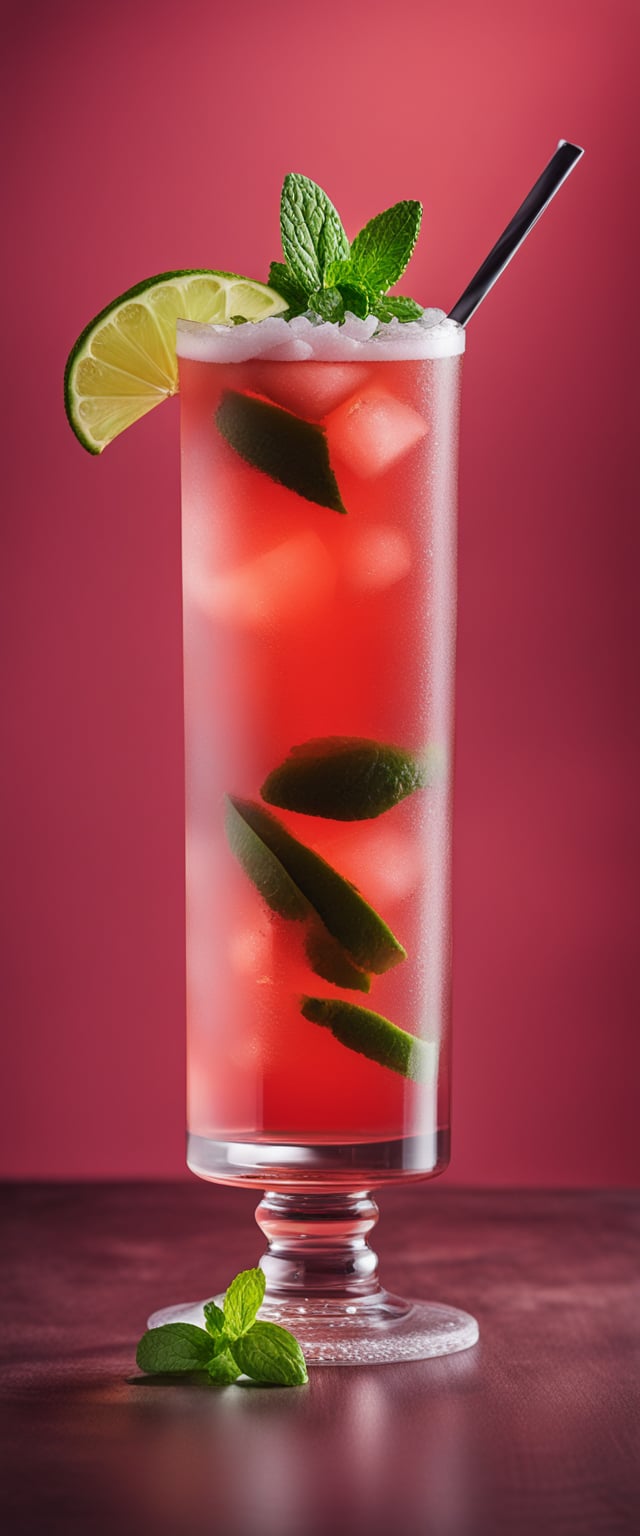
“The Art of Pairing: Botanical Alcohol-Free Spirits and Gastronomy
We’ve been exploring botanical alcohol-free spirits from the European Union (EU), we’ve dived into the world of mixology. We’ve enjoyed delicious cocktails made from these ingenuous spirit blends. In the final segment of our series we’ll be focusing on an intriguing endeavoraEUR”pairing herbal alcohol-free drinks with food. Learn more about how these alcohol-free spirits have transformed the way food is served across the EU.
Elevating the Dining Experience
Bold and Underlined: Beyond the Beverage
Botanical alcohol-free spirits go beyond only beverages, but flexible ingredients that chefs and cooks at home are using into their recipes. From appetizers to desserts the options are endless.
Italicized A Spectacle of Flavors
The pairing of botanical spirits that are alcohol-free with food is similar to making music. The herbal and botanical notes in these spirits are able to complement and enhance the flavor profiles in a variety of food items.
The Botanical Spirit Pantry
Let’s discuss some of top botanical alcohol-free spirits that stand out as well as how you can make them easily used in your culinary menu.
Bold and Underlined: A+corn Bitter
This aperitif with a strong alcohol-free aroma, A+corn bitter, is noted for its complex and rich flavors, reminiscent of traditional bitters. Its range of applications extends beyond the kitchen.
Mixing Strategies:
- Appetizer You can drizzle a few drops of the liquid over a fresh Caprese salad to give it a touch of bitterness that counterbalances the sweetness of mozzarella and tomatoes.
- Main Dish You can make a marinade using A+corn Bitter, olive oil garlic, apricots, and other herbs for grilled vegetables or tofu.
- Dessert: Add a sprinkling to chocolate-based desserts in order to increase their depth of flavor.
Italicized: The Lyre’s Dry London Spirit
This non-alcoholic variant of London Dry Gin, Lyre’s Dry London Spirit, boasts the traditional juniper-forward flavor of Gin without alcohol.
The Pairing Idea:
- Appetite: Make it a base for refreshing mint and cucumber cocktail or mocktail for pairing with seafood.
- Principal Course The idea is to create a sophisticated sauce by cutting down on the Lyre’s Dry London Spirit with shallots along with cream and herbs for pasta or poultry dishes.
- Dessert: Blend it into sorbet recipes to make a delicious and alcohol-free treat.
The Botanical Alcohol-Free Spirit Revolution continues
Underlined The Inspiring Trend that is Flourishing
As trends in food and drink evolve, the use of botanical alcohol-free spirits in gastronomy continues increase. Leading restaurants and innovative home cooks are getting behind this movement, providing patrons with memorable dining experiences.
Italicized: Join Us as we explore Part 5: the The EU’s Botanical, Alcohol-Free Spirit Landscape
In the final part of our journey through the world of botanical alcohol-free spirits, get involved in the concluding segment of this series. We’ll look at the vast array of botanical alcohol-free spirits across the EU as we highlight the top names, flavors, and innovation that are shaping this vibrant industry.
Stay tuned for the grand finale in which we’ll conclude this captivating exploration of the botanical alcohol-free spirit renaissance!
exploring Botanical Alcohol and Spirits in the EU An Exploration of Botanical Alcohol-Free Spirits in the EU Culinary Odyssey
We’re pleased to announce the conclusion of our journey through the world of captivating botanical alcohol-free spirits in the European Union (EU). In this, the fifth and final part of our series we’ll embark upon a culinary adventure, sharing our journey, and reflecting on the constantly evolving area of alcohol-free spirits. We invite you to join us for an exquisite and informative experience.
Recap of Our Botanical Adventure
Before we dive into the culinary aspects, let’s recall for a moment the extraordinary journey we’ve set out on:
Section 1. Uncovering the world of Botanical Alcohol-Free Spirits
In the beginning of our segment, we introduced you into the exciting world of alcohol-free botanical spirits. We looked at their origins practices for production and the myriad of botanical elements that make them distinct.
2. Crafting Exquisite Botanical Alcohol-Free Cocktails
Our second episode this week, we delves into mixology exploring the art of making exquisite alcohol-free cocktails using these versatile spirits. From classic cocktails to ingenuous recipes, mixologists are exploring the limits of creativity.
Section 3:”The Health and Wellness Aspects
Our third segment was devoted to the wellness and health aspects of alcohol-free botanical spirits. We discussed the benefits having alcohol-free alternatives for both physical health and mental peace.
Section 4: Combining Botanical Alcohol-Free Spirits with Gastronomy
In our previous article in which we examined the exciting world of pairing botanical spirits that are alcohol-free with food. From appetizers to desserts we’ve discovered ways these spirits can improve eating experience.
The Culinary Art of Botanical Alcohol-Free Spirits
Italicized: A Harmonious Marriage
Mixologists and culinary experts alike are gaining recognition of the harmonious mingling of botanical spirit and gastronomy that is alcohol-free. The herbal and botanical notes present in these spirits provide a variety of tastes which can take the artistic culinary world to new heights.
Enjoying the Moment
In this section, we’re inviting you to take a moment of pleasure when we look into the fascinating world of culinary cocktails and new concepts that incorporate botanical spirits that are alcohol-free.
Underlined: The art of sipping and Savoring
No matter if you’re dining at the Michelin-starred restaurant of your choice or exploring your culinary skills at home, botanical alcohol-free spirits have a spot at the table. Foodies and cooks at home are mixing these spirits into their creations, making unique and delicious meals.
Bold and underlined: A Pantry of Possibilities
From the earthy and richness of A+corn’s Bitter through to flavors of the juniper-forward Lire’s Dry London Spirit, the distillery’s botanical alcohol-free spirits are abundant with options. They are used as main ingredients in blending dishes with interesting flavors and aromas.
A Taste of Botanical Alcoholless Spirits within Gastronomy
Let’s take a moment to look at some ideas that are inspiring and pairings:
Appetizer Inspiration:
- Italicized Start your culinary journey by enjoying a healthy and vibrant food item, such as cucumbers and mint salad, sprinkled with a splash of spirits that are alcohol-free and botanical to enliven the taste buds.
Main Course Magic:
- Bold and Underlined Enhance your main dish with a sophisticated sauce, which is made by decreasing spirits that are alcohol-free with botanicals, including shallots, cream, and a blend of various herbs.
Dessert Delights:
- Underlined to conclude your culinary experience with a delightful alcohol-free sorbet, enriched by the zingy flavors and botanical spirit.
Final: A toast to an Botanical Renaissance
As we raise one of our cups (filled with alcohol-free spirits that are botanical obviously), let’s toast to the remarkable journey that we’ve traveled. The revival of botanical alcohol-free spirits is in full swing giving us innovative options that embrace health, creativity, and culinary excellence.
Through this course, we’ve explored the range and complexity of botanical alcohol-free spirits. their place in mixology their impact on well-being along with their ability to be paired with food and beverages, and their ever-growing presence throughout Europe. As the world of cuisine continues to change as it does, these spirits stay on the cutting edge of technology.
A toast at New Beginnings
In closing, we encourage you to keep exploring the intriguing world of botanical alcohol-free spirits, to try new recipes and take in moments of wellbeing and culinary delight.
We thank you for being part of us on this adventure. While we await our next adventure remember that the lure of alcohol-free spirits made from botanicals in Europe is just a sip away.
An Introduction to Alcohol Free Spirits for Mixology
Mixology: The Art of Crafting Amazing Cocktails
When it comes to drinks and cocktails, mixology has come to become an art form celebrated by its ingenuity, creativity as well as the sheer joy it gives the senses. However, there’s also a new twist in the story” an exciting trend that’s transforming the game for mixologists as well as drink lovers alike: use of alcohol-free spirits.
In the first portion of our exploration into the world of alcohol-free spirits for mixology in this article, we’ll talk about this trend that is gaining momentum and what it’s about. Get ready to discover the world of sophisticated, alcohol-free mixology and learn the reasons it’s grabbing bars’ attention as well as household enthusiasts from all over the world.
The rise of alcohol-free Mixology
In the last few times, the field of mixology is experiencing an evolution. There’s no longer a time that good cocktails had been synonymous with alcohol. Mixologists who are famous for their expertise in spirits and liqueurs, have turned their attentions to crafting delicious and alcohol-free drinks.
Why the Shift?
-
Health and Wellness A growing emphasis on health and wellness Many are looking for alternatives to traditional drinks like alcoholic. Mixology that is alcohol-free offers the opportunity for you to enjoy premium drinks but without having to drink alcohol.
-
Inclusivity Alcohol-free cocktails give an inclusive choice for those who do not consume alcohol so that everyone attending the bar or gathering can enjoy a delicious drink that is tailored to their preferences.
-
Creative Creativity Unleashed Mixologists have embraced the challenge to create complex and nuanced flavors with no use of alcohol. This has led to an explosion of innovative recipes and in the creation of new combinations of ingredients.
Crafting Spectacular Drinks Without Alcohol
Mixology goes far beyond creating drinks. It’s about creating unforgettable experiences. Mixologists who drink alcohol-free spirits are revolutionizing what’s possible. If you’re a professional bartender or an enthralled home enthusiast, this trend opens doors to a new world of possibilities.
What You Are Going to Expect to Learn in this Article:
- Discovering the many spirits without alcohol available.
- Knowing the elements that make these spirits magical.
- How to make tasty and balanced alcohol-free cocktails.
- Investigating presentation techniques to improve the level of your mixing game.
- The joy of mixing with your family and friends.
Now that you’ve glimpsed into the realm of alcohol-free mixology we’re ready to go deeper. In the next section we’ll take a look at what spirits with no alcohol are and the range of options to craft the perfect alcohol-free cocktail. We’re off to explore this world of flavors and inspiration!
[Next up: Section 2: Exploring the World of Alcohol-Free Spirits“
Are you eager to discover the possibilities of ingredients and combinations that will revolutionize your mixing game? Let’s delve into the fascinating world of alcohol-free spirits, and get started making cocktails unlike anything you’ve ever had before!
Leading the Non-Alcoholic Trend: Order Direct from Swedish Distillers for Bulk Excellence!
The world of alcohol-free Spirits
Uncovering the Hidden Ingredients of Alcohol-Free Spirits
As we strive to master the art of mixology free of alcohol knowing the soul and soul behind these exciting concoctions is essential. In this section this article, we’ll take you on our journey to explore what alcohol-free liquors can offer. We’ll be able to decode what they are and how they operate their magic.
What is Alcohol-Free Spirit?
Alcohol-free spirits commonly referred to being spirit that is not alcoholic are drinks that are ingenuous that are designed to imitate the taste fragrances, aromas, as well as the complexity of traditional alcoholic spirits such as whiskey, gin, and rum. What differentiates these spirits is their distinct lack of alcohol, which makes them a good and exciting alternative for those who prefer not to consume alcohol.
Some of the key features of alcohol-free Spirits:
-
Do not include Alcohol This type of spirit contain a small amount of alcohol, typically less than 0.5 percent ABV (alcohol in volume), allowing consumers to take pleasure in the flavor of spirits but without the intoxicating effects.
-
complex flavor profiles Mixologists and craftsmen have been working hard to recreate the complex flavor profiles that are found in alcoholic spirits. The botanicals in gin, the smokeiness of whiskey, or the spiciness of the rum.
-
Multi-purpose: Alcohol-free spirits can be used as the basis for making a variety of spirits that are alcohol-free. These are known as mocktails.
-
All-inclusive provides different audiences, and provide an inclusive choice for those who aren’t drinking alcohol for personal reasons and health concerns, or individuals who are designated drivers and still want to enjoy the celebrations.
The broad spectrum of alcohol-free Options
Like the vast assortment of alcoholic beverages to pick from, the world of alcohol-free spirits gives you a wide selection of options with each having its own flavors and features. Let’s take a closer look at some of the most popular alcohol-free spirit categories:
1. Gin Alternatives
Bold and Botanical
Ingredients:
- Botanicals include juniperberries, coriander and citrus peels.
- Aromatic and herbaceous elements like rosemary, basil, and Thyme.
Taste Profile Fresh, herbaceous and often with an underlying citrus. Perfect for classic gin-based cocktails such as tonic and the Gin & Tonic.
2. Whiskey-Style Elixirs
Smoky and Complex
Ingredients:
- Toasted oak chips to give that smoky note.
- Spices like cinnamon, cloves, and allspice berries.
Flavor Profile: Dark, spicy that has warm spice undertones. The perfect choice for cocktails that are whiskey-inspired such as Old Fashioneds or Whiskey Sours.
3. Rum Alternatives
Exotic as well as Sweet
Ingredients:
- Sugar cane extracts and syrups.
- Spices like cinnamon, vanilla, and nutmeg.
Taste Profile Slightly spicy with some sweetness, and hints of vanilla and tropical tastes. The perfect alcohol-free version of the classic cocktails with rum.
4. Vodka Substitutes
Neutral and Clean
Ingredients:
- Distilled water for a pure base.
- Subtle flavorings like lemon zest or coriander seeds.
Flavor Profile: It’s clean, sharp and neutral, which makes it a great choice for various cocktails.
The Ingredients That make these spirits magical
The secret to alcohol-free spirits is in the choice of high-quality ingredients and a precise crafting process. These spirits are carefully designed to evoke the essence their alcoholic counterparts, relying on botanicals, herbs and natural extracts to give them their distinct flavours.
A Common Compound in Alcohol-Free Spirits:
-
Botanicals are essential to create the characteristic flavors of gin alternatives. These include citrus peels, juniper berries and coriander seeds can be among the best.
-
Herbs and Spices These spices add complexity and depth to the spirits. Ingredients such as cloves, cinnamon, and nutmeg are often employed.
-
Oak: For whiskey-style cocktails, oak chips toasted are employed to impart that familiar smokiness and deepness.
-
Sweeteners In some spirits, a hint sweetness from ingredients like syrups or extracts of sugarcane is added to balance the flavors.
-
Citrus Citrus and orange zest are typically used to lighten the overall flavor and add an energizing twist.
Now that we’ve unveiled how alcohol-free spirits work You’re ready to set off in your own journey to mixology. In the next part, we’ll delve deeper into the art of creating delicious and balanced alcohol-free cocktails. Make sure you shake, stir, and enjoy!
Next up: Section 3: Designing spectacular drinks using alcohol-free Spirits“
Aren’t you eager to get started creating your own alcohol-free drink recipes? Join us for a journey through the art of mixing with these wonderful spirits!

Designing Spectacular Cocktails Using Alcohol-Free Spirits
Make Your Mixology Game More Fun With Creative Alcohol-Free Cocktails
In our exploration of the industry of alcohol-free spirits in mixology now is the time to roll up our sleeves and start getting creative in creating amazing drinks. In this section we’ll examine the key tools for mixing flavourful cocktails, and also share easy-to-follow cocktail recipes that appeal to your taste buds and make your guests smile.
The Mixologist’s Arsenal
Before embarking on our mixology adventure we need to make sure you’ve got the right tools at your disposal. Although a few of them might already be used by experienced mixologists alike, they’re also essential for beginners:
1. Cocktail Shaker: A classic tool for mixing, chilling and making cocktails. Select between the Boston shaker (two-piece) or a cobbler shaker (three-piece) dependent on your preference.
2. Mixing Glass: Perfect to stir cocktails while allowing to precisely control temperature and dilution control.
3. Muddler: Used for gentle crushing ingredients such as herbs fruits, and sugar cubes to release their flavor.
4. Jigger: a measuring instrument with two sides, typically 1-ounce and 1.5-ounce measures, to ensure accurate pouring.
5. Bar Spoon: A long, small spoon that can be used to stir drinks smoothly, without over-dilution.
6. Strainer: Ensures that your cocktails are strained perfectly while keeping ice and other solid ingredients out of the glass.
7. Ice: Clean, high-quality frozen spheres or cubes of ice are crucial to ensure the quality of your cocktails.
8. Glassware: Different drinks require specific glassware, so having different types of glassware available will be helpful. Some common varieties include rocks glasses, highball glasses, and martini glasses.
The creation of flavorful profiles
Crafting great alcohol-free cocktails is all about creating harmonious and balanced flavor profiles. Here are some ideas to help you get the perfect blend of tastes:
1. Balance is key Make sure you are aware of the balance between sweet, sour, bitter and umami flavor in your drinks. Change the quantities of ingredients to get the desired balance.
2. Layering Flavors: Take into consideration mixing ingredients according to density. Heavier ingredients like syrups should be included first, followed by spirits, and finally, lighter mixers.
3. Garnishes and Aromatics: Garnishes that include orange twists and herbs, or edible flowers can not only provide visual appeal, they also contribute aromatic notes to your drink.
4. Fresh Ingredients: If you can it is best to use fresh fruit juices as well as herbs and spices to fill your cocktails with authentic and fresh flavor.
5. Try it out: Don’t be scared of trying different ingredients, flavors, and garnishes. The spirit of creativity is at the core of mixology.
Step-by-Step Cocktail Recipes
Now that you’re armed with all the fundamental tools and techniques of mixing, it’s time to put your knowledge to the test by experimenting with three delicious alcohol-free cocktail recipes. These recipes highlight the variety in alcohol-free spirits and the unlimited possibilities of making exceptional drinks:
1. Citrus Splash
Ingredients:
- 1 oz Citrus-Infused Vodka Alternative
- 2 oz sparkling water
- 1/2 oz fresh lemon juice
- 1/2 oz fresh orange juice
- Fresh mint leaves to garnish
Instructions:
- The glass should be filled with ice.
- Mix the Citrus-Infused Vodka Alternative, fresh lemon juice, along with fresh juice of orange.
- Sprinkle with sparkling water.
- Stir gently, then garnish with fresh mint leaves.
2. Herbal Bliss
Ingredients:
- 1 oz Herbal Gin Alternative
- 1/2 oz elderflower syrup
- 3 oz tonic water
- Fresh basil leaves to garnish
Instructions:
- Fill a glass with ice.
- Add and mix in the Herbal Gin Alternative and elderflower syrup.
- Finish with tonic water.
- Mix lightly and finish with fresh basil leaves.
3. Smoky Elixir Sweet
Ingredients:
- 1 oz Whiskey-Style Elixir
- 3/4 oz fresh lemon juice
- 1/2 oz simple syrup
- Ice
- Lemon twist as garnish
Instructions:
- In a cocktail shaker, fill it with some ice.
- Add the Whiskey-Style Elixir as well as fresh lemon juice and simple syrup.
- Shake vigorously.
- Strain into a rocks glass that is filled with Ice.
- Garnish with a lemon twist.
Once you’ve learned these cocktails recipes that you’ve mastered, you’re now well on your way to becoming a skilled mixologist. In the next chapter we’ll take your mixology game to the next step by exploring presentation and garnishing methods that will inspire your guests.
[Next up: Section 4: Elevating Your Mixology Game]
Are you ready to impress with your newfound skills?
Elevating Your Mixology Game
Presentation and Garnishing Methods for Spectacular Spirits with no alcohol
We’re back for our journey into the intriguing world of non-alcoholic mixology. This section is going help you take your mixology game towards the top by focusing on ways to garnish and presentation that will delight your guests. We all know that the best-presented cocktail doesn’t just taste better, it also adds an extra layer of sophistication to the drinking experience.
Presentation Is Key
The look of a drink is the first thing to draw your guests’ attention. Here are some ideas on how to show your alcohol-free beverages with a style that makes the drinks irresistible
1. Glassware Selection: Select the appropriate glass for your drink. The right glass complements the flavor of the drink and also adds style. For instance, a martini glass is ideal for elegant cocktails while a highball is suitable for big, refreshing drinks.
2. Clear Ice: Use crystal clear, high-quality ice cubes or spheres that not only keep your drink cool but also look gorgeous with the glasses. Clear ice can detract the overall look.
3. Proper Pouring How to Pour Your Cocktail into your glass, make sure to do it carefully so as to avoid spills and ensure that your drink is visually appealing.
4. Garnish Placement: Plan to place garnishes that will enhance the appearance of your drink. For example, a lime twist can be draped around one of the edges or floating over the surface.
5. Color Contrast: Pay attention to the colors on your food items. A cocktail that is a mix of colors can be visually stunning. Create layers of cocktails to create stunning effects.
Garnishing Techniques
Garnishes are like the final strokes in a painting. They provide depth, flavor and the final touch which transforms your drink ordinary to extraordinary. Here are some tips for garnishing to master:
1. Citrus Twists: Use a vegetable peeler as well as the special citrus zester, to create elegant, long curls from citrus peel. They’re not only gorgeous but also release aromatic oils when twisted, enhancing the aroma of the drink.
2. Herb Sprigs Fresh herbs like mint rosemary, basil, and mint make great garnishes. Simply clap or slap the herbs before adding them to the cocktail, releasing their scent-inducing oils.
3. Edible Flowers: Delicious edible flowers such as violets, pansies, or nasturtiums give some elegance and color to your cocktails. It is important to ensure they are safe for consumption.
4. Skewers and Picks: Garnishes such as olives, cherries, or berries can be skewered and positioned on the edge of the glass to make elegant presentation.
5. Rimming Techniques: For certain cocktails, rimming your glass with sugar, salt or spices can provide an aesthetic and flavor. Use syrup or citrus juice to help the rimming substance adhere.
Hosting an Memorable Mixology Gathering
If you’ve improved your presentation skills and garnishing techniques and are ready to make use of them by hosting a memorable mixology party. No matter if it’s a gathering with friends or a special event, here’s a few ways to make it memorable:
1. Themed Decor: Look into a theme for your event and then decorate in line with. Themes like tropical luau or old speakeasy styles can set the mood and add to the experience.
2. Signature Cocktails: Make a signature alcohol-free cocktail for your party that is a reflection of your theme or the occasion. Give it a catchy tagline to make it memorable.
3. Interactive Stations Create interactive cocktail-making stations that allow guests to create their own drinks. Provide a variety of alcohol-free spirits, mixers, and garnishes for creative exploration.
4. Tasting Notes: Recommend guests to write down notes of each cocktail they taste. This can spark interesting conversations and assist in improving your mixing abilities.
5. Mocktail Menus: Create drinks that are alcohol-free offering guests the chance to choose their own favorites. Include a mix of sweet and sweet and sour choices.
With these presentation and garnishing techniques as well as your new mixology knowledge, your guests are in for fun at your next gathering. In the next section, we’ll delve into the importance of sharing your love of mixology family and friends.
[Next: Section 5: Sharing the Experience]
Are you willing to show your mixology talents and delight your guests with exquisitely presented alcohol-free cocktails? Let’s move on to the world of mixology and explore the joy of sharing these delicious creations!

Sharing the joy of Mixology
Bringing People Together Through Mixology that is Alcohol-Free
As our journey through the world of alcohol-free spirits to mixology concludes, there’s something which we’ve not explored yetaEUR”the satisfaction of sharing the journey with others. Mixology is not just about making exceptional cocktails. It’s about making connections and moments among family and friends. In this section we’ll examine the importance in sharing your passion for mixology and provide some tips for taking advantage of this.
A. The Joy of Mixology Gatherings
Mixology gatherings offer more than simply a chance to show off your ability to make cocktails. They’re an opportunity to make memorable memories and strengthen bonds with your loved ones. Here’s how hosting mixology parties is an enjoyable experience
1. Inspiring collaboration, creativity and innovation: Mixology events encourage creativity and collaboration. Guests can experiment with different flavor combinations, share ideas or even compete for the most delicious cocktails.
2. Inclusivity: Alcohol-free mixology allows everyone to participate, regardless of the alcohol preference. This makes sure that all guests can be part of the festivities.
3. Learning and appreciation A mixology event is a chance to impart knowledge to your guests. They will learn about the art of mixing along with the variety of spirits that are alcohol-free, and the importance of balance and harmony in cocktail creation.
4. Making Memories: The distinctive cocktails and the laughter shared at mixology events create lasting memories that your guests will be able to cherish.
Ideas for hosting the perfect Mixology Gathering Mixology Gathering
Are you eager to share your passion for mixing with family and friends? Here are some guidelines to help you organize a fun and successful mixology party:
1. Plan ahead: Choose the theme, cocktails, as well as the menu in advance. Make a list of your shopping needs as well as ensure that you’ve got all the ingredients you need and garnishes.
2. Interactive Stations Make interactive cocktails by setting up stations stocked with alcohol-free spirits mixers, and garnishes. Instruct guests in clear terms and encourage guests to be creative.
3. Signature Cocktails: Design a several signature alcohol-free cocktails to serve your guests to drink. Make sure to offer options that are suited to different taste preferences.
4. Tasting Notes: Give tasting notes or sheets to allow guests to write down their impressions about each cocktail. This brings a more educational dimension to the event and encourages interesting discussions.
5. Safety First: If you have guests who are not accustomed to alcohol-free cocktails, inform them about the necessity in drinking responsibly.
6. Ambiance and Music Create a mood by playing decor and music that are in line with the theme of your party. Setting the right mood enhances the overall experience.
7. Share the recipes: At the end of the gathering invite guests to share recipes for cocktails together with the guests. In this way, they will be able to create their favorite drinks back at home.
Final: The Journey through Mixology
In this series, you’ll be to explore the exciting world of alcohol-free spirits in mixology. From gaining an understanding of the rise of mixology that is alcohol-free to exploring the possibilities of alcohol-free spirits making tasty cocktails, and making the most of garnishing and presentation techniques The list is endless. Mixology is not just a pastime; it’s an art that brings people together, encourages innovation, and celebrates the diversity of.
We hope this collection has inspired you to explore the world of non-alcoholic mixology and share the joy with your loved family members. It doesn’t matter if you’re an experienced mixologist or new to the field There’s always something new to discover and explore in the cocktail world.
So, pour yourself a glassaEUR”whether filled with an alcohol-free drink or a traditional favoriteaEUR”and offer a toast to the delights of mixing. Cheers!
[Missed any part of our mixology journey? Here’s an overview:
-
Section 1: Introduction to alcohol-free spirits suitable for Mixology
-
Section 2: Exploring the world of alcohol-free spirits
-
section 3 Crafting Amazing Drinks Using Alcohol-Free Spirits
- Section 4: Elevating Your Mixology Game]
We are grateful for your participation on this mixology adventure. We look forward to continuing your exploration into the world of alcohol-free spirits as well as the delicious cocktails that they create.